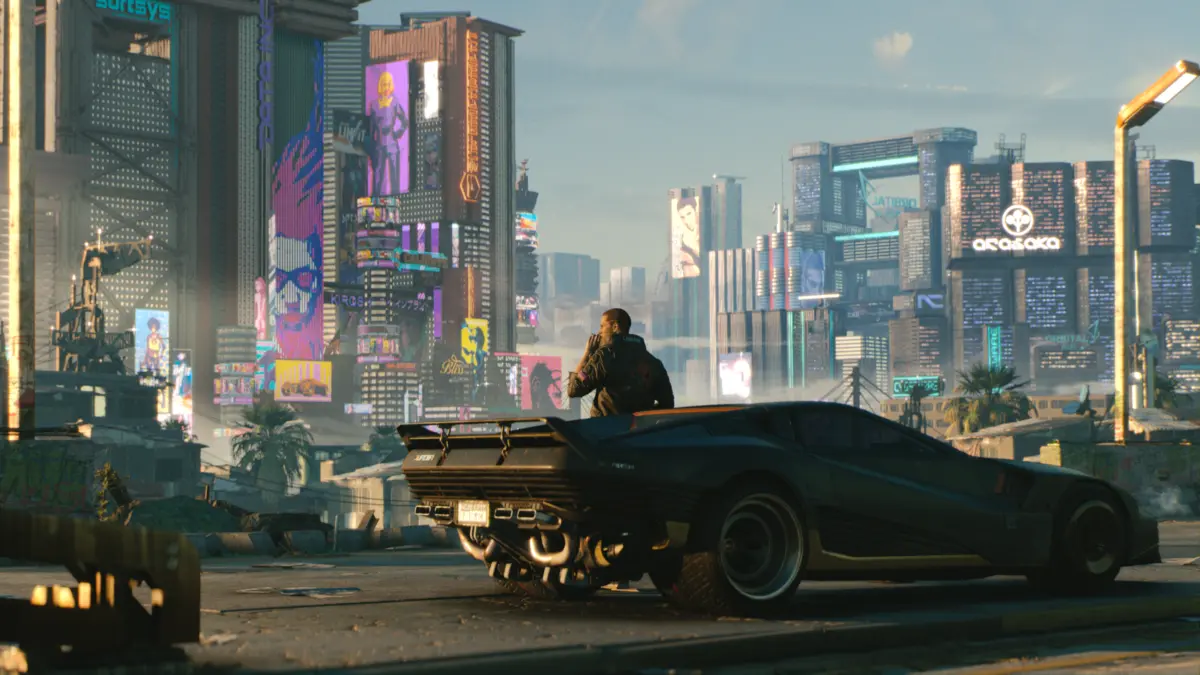
For veterans of the game looking to recapture the magic of their initial playthroughs, finding fresh ways to experience the dystopian metropolis has become a pastime in itself. With the introduction of new content, including features from the Edgerunners 2 Update such as the ability to dual-wield weapons and style cyberware at various Glamdocs, players are discovering that self-guided roleplay strategies can fundamentally alter how the game feels. Rather than approaching Night City through the standard completionist lens, adopting specific rule sets and behavioral constraints allows returning players to treat the familiar sprawling urban landscape like a completely new experience.

One approach gaining traction among the community involves fully embracing a Nomad background by shaping V into an old-fashioned western archetype. Nomads operate as Night City’s ultimate outsiders, existing as clans of drifters beyond city limits in the harsh Badlands. By selecting this origin, players align themselves with the Aldecaldos, forming tight bonds with characters like Panam Palmer. To lean into this narrative, players are decking out V in torn clothing and hats, relying exclusively on motorcycles for transportation, and restricting their combat arsenal to handguns and revolvers. Capitalizing on the Edgerunners 2 Update, which introduces the "Double Trouble" perk within the Cool attribute tree, players can now dual-wield power category pistols and revolvers, channeling a classic cowboy aesthetic while navigating the futuristic chrome streets.
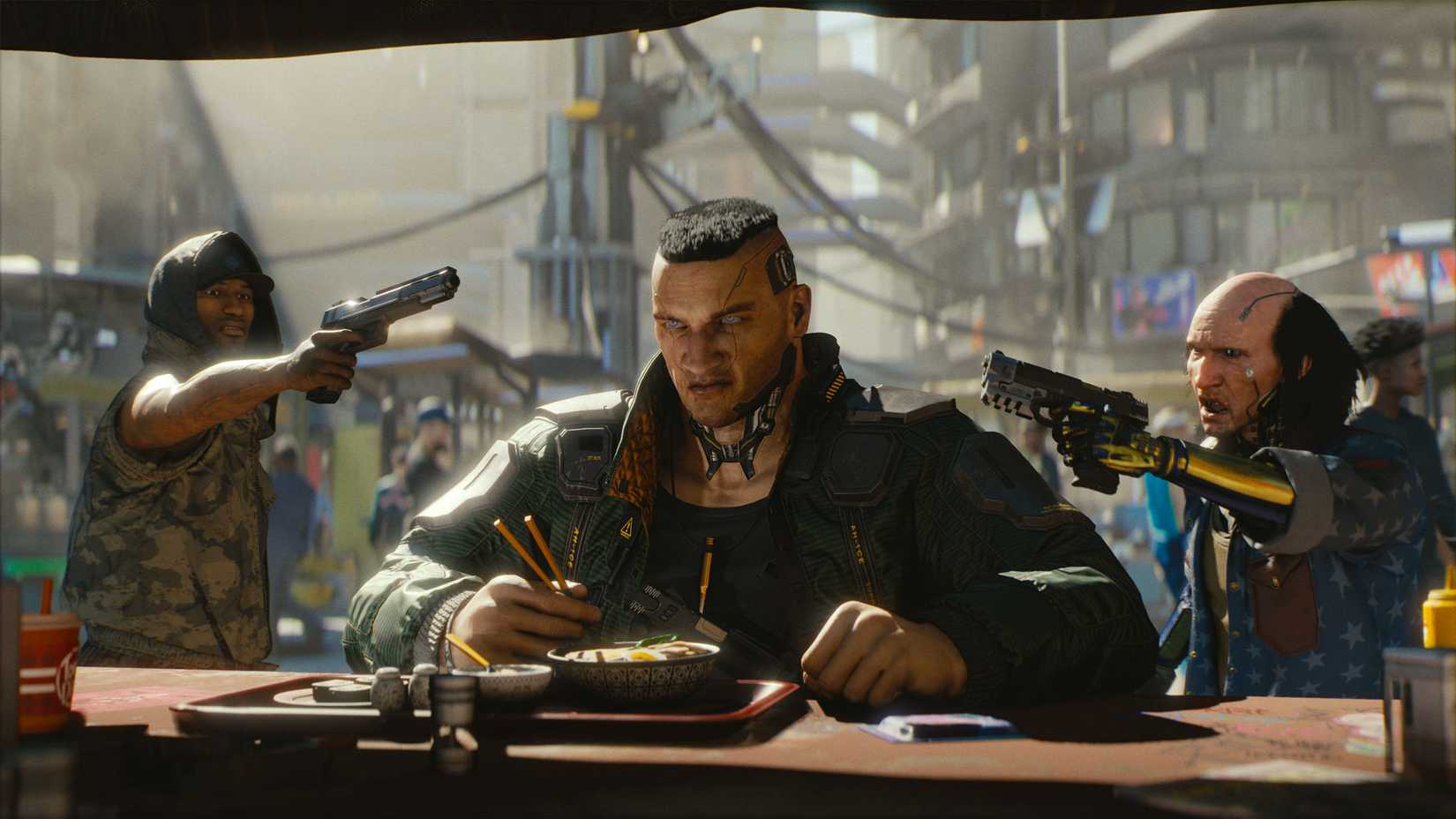
Another popular structural shift involves drastically altering the pacing of the game’s opening act. Traditionally, the narrative pushes V toward a high-stakes heist at Konpeki Plaza alongside partner Jackie Welles, set up by the fixer Dex. However, the game imposes no immediate urgency on initiating this fateful mission. By deliberately choosing to clear out the entire Watson district before ever stepping foot in Konpeki Plaza, players can completely transform the economic and narrative balance of the early game. Undertaking every available gig, cyberpsycho hunt, NCPD scanner hustle, and side job pushes V to roughly level 20 and significantly boosts their Street Cred before the main plot truly kicks off. This delay allows players to enter the corporate stronghold overleveled and thoroughly equipped with high-tier augmentations like Mantis Blades or double-jump legs, reframing the heist not as a desperate gamble by inexperienced mercs, but as a calculated move by a seasoned professional.
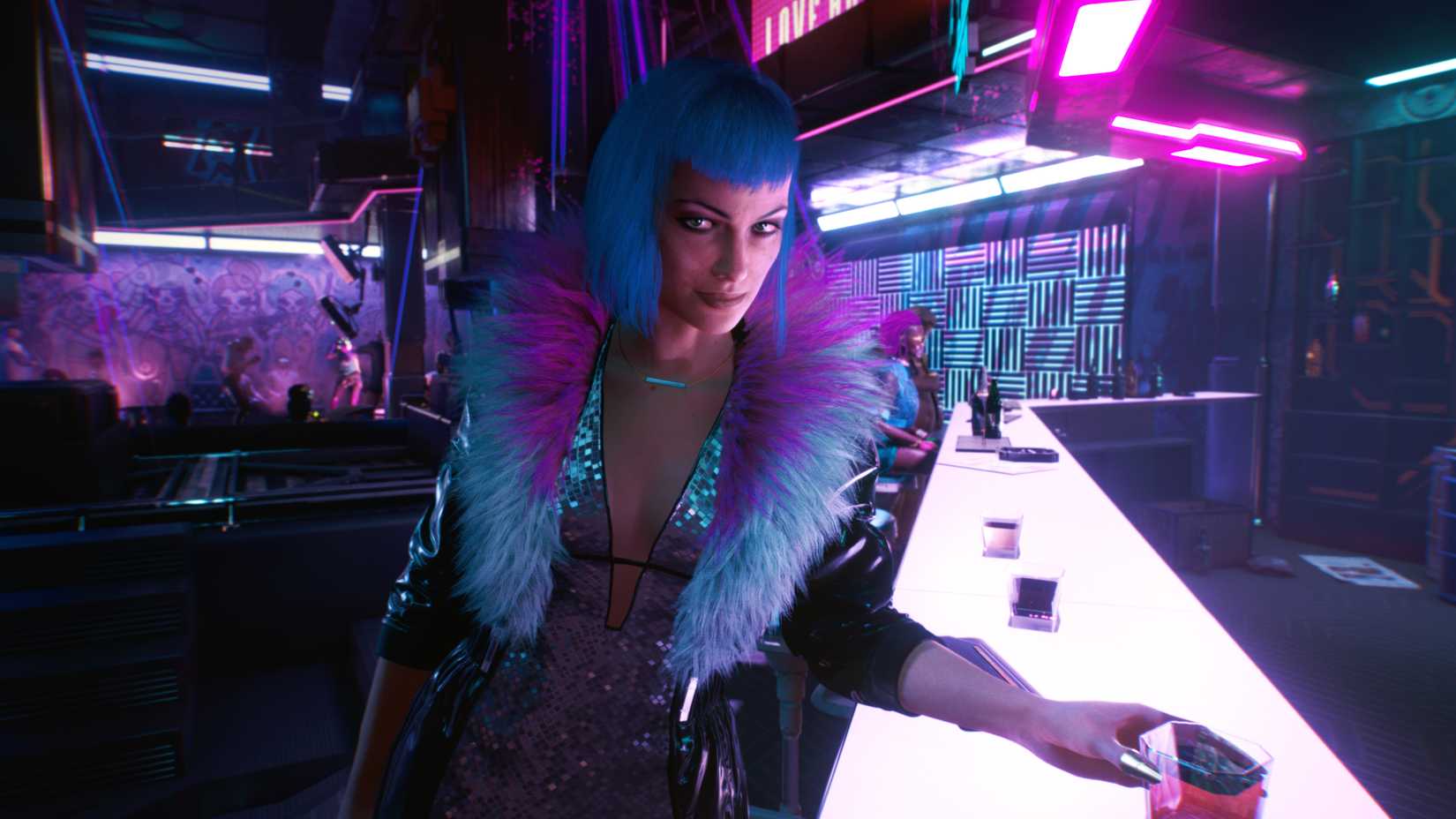
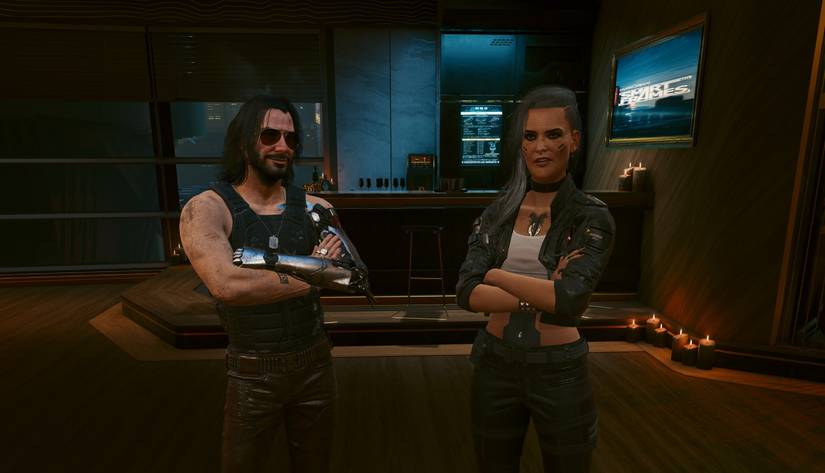
Conversely, players looking to strip away the sprawling completionist checklist are finding success by dramatically scaling down their scope. Instead of trying to experience every faction and side story, a targeted playthrough focuses exclusively on a single lifepath, one specific fixer, and a handful of chosen allies. For instance, a player might prioritize the removal of Johnny Silverhand above all else, virtually ignoring major supporting characters like Goro Takemura, Panam Palmer, or Rogue while exclusively fostering a relationship with Judy Alvarez. Similar localized playthroughs see players restricting their movements entirely to single districts, such as operating solely as a Valentinos loyalist within Heywood, a Voodoo Boys netrunner confined to Pacifica, or a Mox loyalist tied to Judy’s orbit, leaving the rest of the city’s myriad distractions for another day.
For those seeking an even greater challenge, stripping away the game’s core mechanics offers a starkly different experience. Since the implementation of the 2.0 update, the vast majority of V’s armor in Cyberpunk 2077 is derived directly from cyberware rather than clothing. Attempting a strict "no-cyberware" run forces players to abandon advanced armor and critical mobility options, transforming standard combat encounters into high-risk tests of stealth, sniper precision, and melee blocking with katanas. This restriction simultaneously frees up the game’s fashion system, allowing players to treat clothing purely as a cosmetic choice, though it guarantees that encounters with cyberpsychos will serve as a harsh reminder of why most mercenaries rely heavily on chrome.

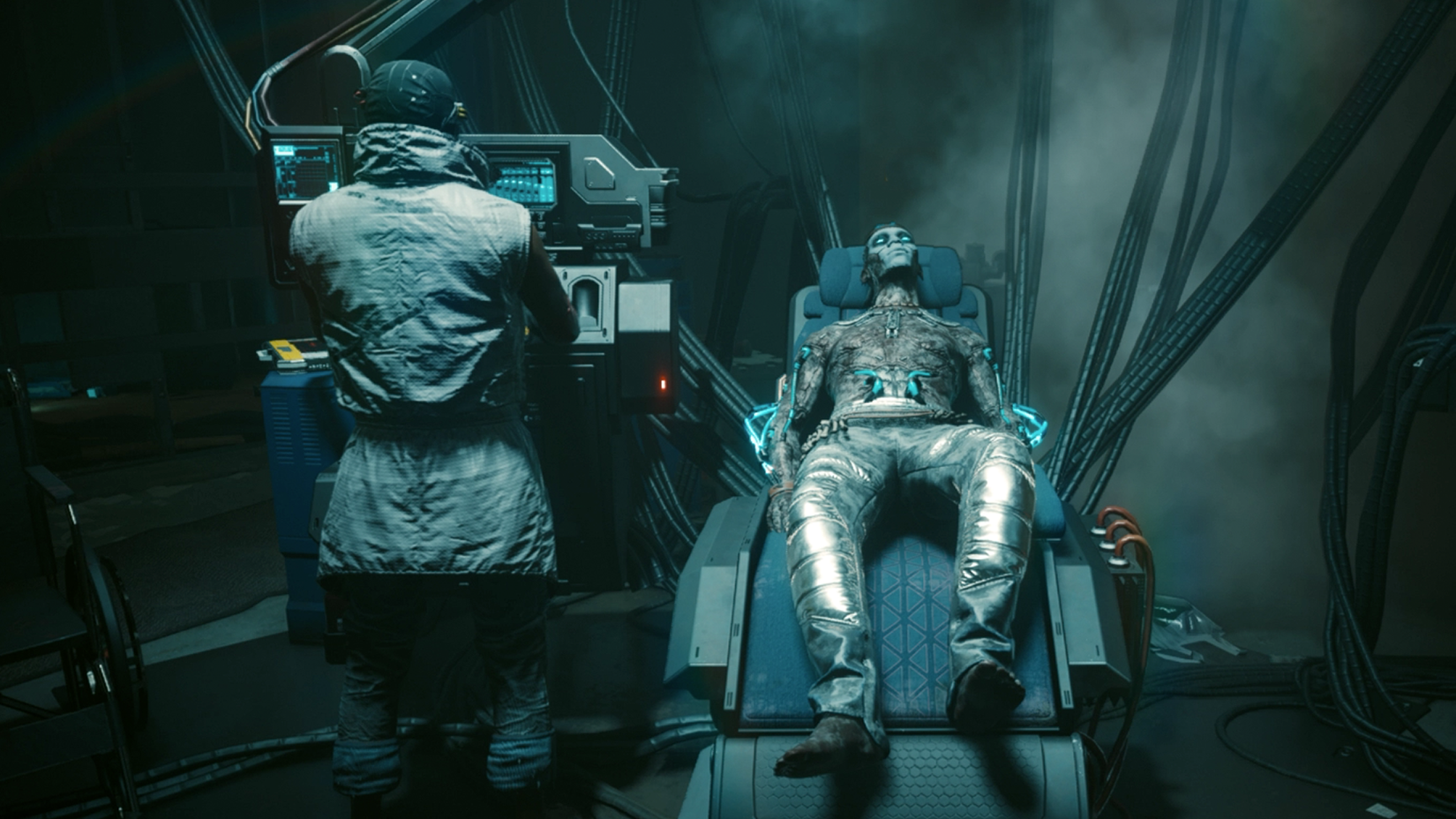
On the opposite end of the spectrum, players can lean entirely into the digital domain by committing to a pure netrunner build that never fires a traditional firearm. Utilizing a cyberdeck to execute quickhacks allows players to disable, distract, and eliminate adversaries from a distance. While low-level quickhacks present a challenging early game, high-level builds become remarkably powerful, enabling V to neutralize entire rooms of enemies without ever pulling a trigger. By chaining commands like Memory Wipe and Cyberware Malfunction, players can clear objectives completely undetected, relying entirely on RAM management rather than traditional marksmanship.
Similarly, players can pivot to a brute-force approach by relying exclusively on Gorilla Arms, foregoing hacking and conventional weaponry entirely in favor of close-quarters brawling. By pumping attribute points into the Body stat to bolster Blunt Weapon perks and pairing the arm augmentations with reinforced tendons for increased mobility, players can launch enemies across rooms with their bare hands. Thanks to the Edgerunners 2 Update, these physical augmentations can now be restyled at various Glamdocs scattered throughout Night City, allowing players to customize the aesthetic of their combat implants down to the color palette.
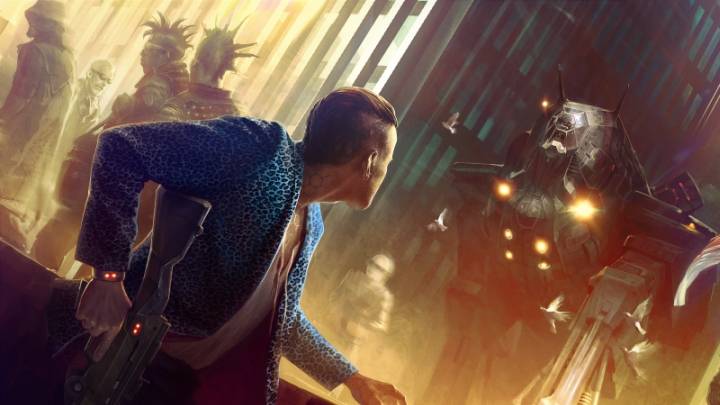
To truly shatter old habits, some players are opting to turn off the minimap entirely. Relying solely on the physical architecture of the city, vertical landmarks like Arasaka Tower, and occasional glances at the full map screen forces players to learn the layouts of districts like Kabuki, Japantown, and Pacifica by heart. Without a glowing path guiding every turn, exploration slows down drastically, turning a standard 30-hour playthrough into a sprawling 100-hour journey where players read every data shard, drive slowly with the radio playing, and experience the game more like a neo-noir novel than an action shooter.
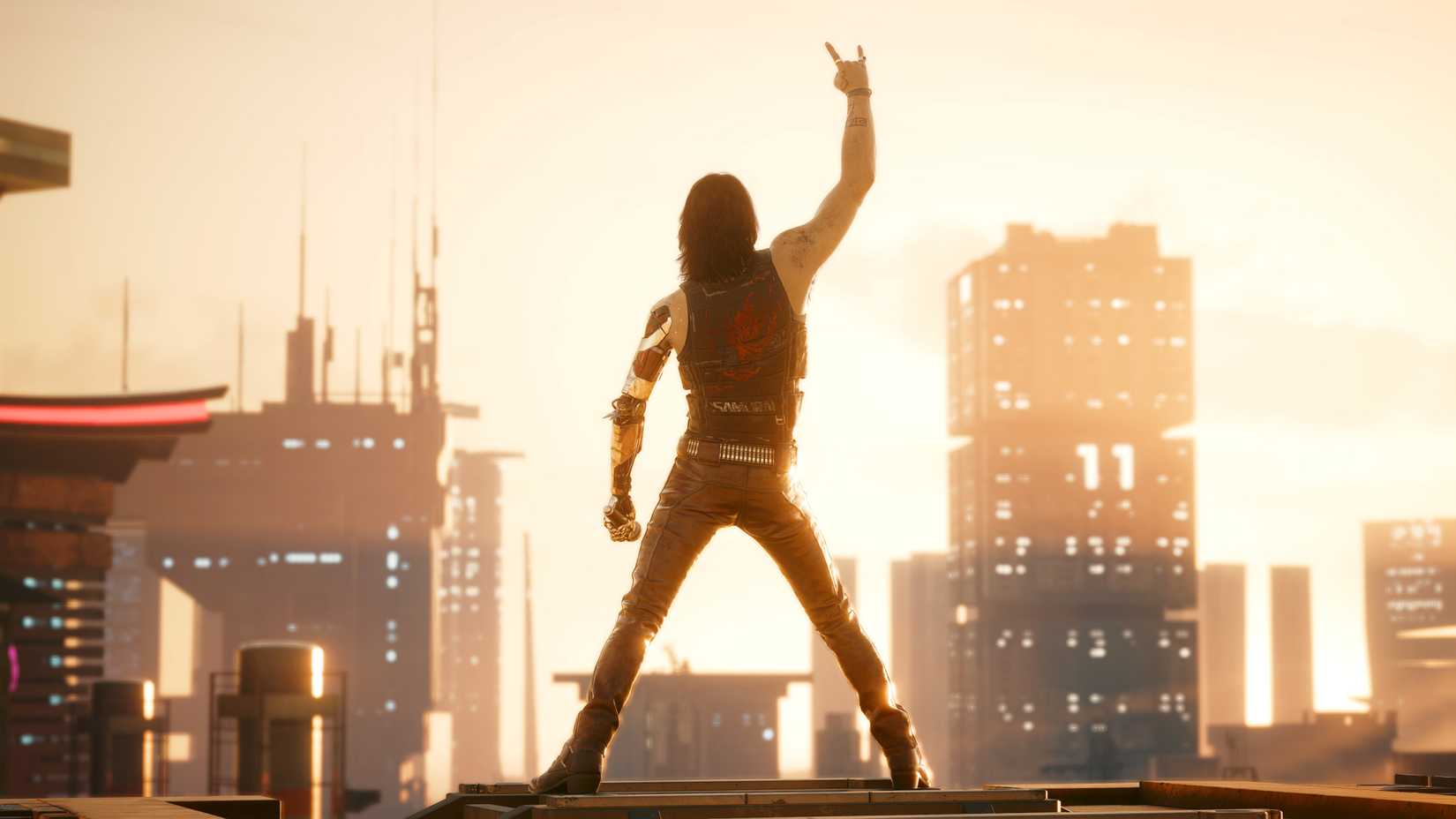
Finally, players are exploring the narrative implications of self-interest by leaning fully into the Corpo lifepath. By consistently choosing the most pragmatic, ruthless, and self-serving dialogue options available, and unfailingly siding with whatever faction or corporate entity holds the immediate advantage, players can experience a version of V who views human connections strictly through the lens of leverage. While diverging sharply from the heroic archetype, this approach highlights the bleak underlying themes of Night City, reinforcing the reality that in a corporate-dominated dystopia, everyone has a price—and every mercenary eventually learns to name theirs.