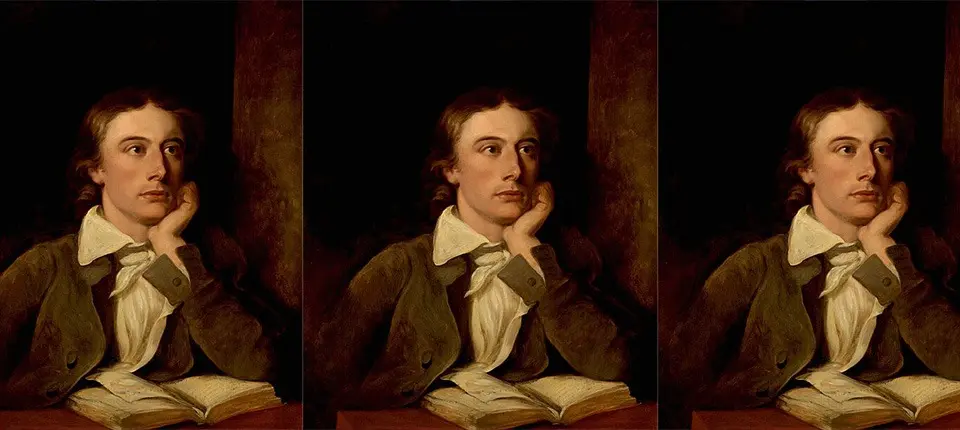
Welcome to another weekly roundup of the best writing, discussions, and cultural deep-dives circulating across the literary internet. This week opens on a fittingly poetic note, marking the anniversary of the birth of one of Romanticism’s most enduring figures, John Keats, who was born on October 30, 1795. As autumn reaches its peak and readers look toward the darker, colder months, the digital literary landscape offers a rich tapestry of reflections spanning poetry, history, art, and the complexities of the writing life.
From explorations of medieval literature and classical economics to contemporary debates on art, culture, and digital preservation, this week’s discussions touch upon nearly every corner of human creativity.
Poetry, History, and Cultural Legacies
The ghost of Romanticism looms large as the literary community remembers John Keats, yet contemporary criticism and historical reassessment continue to unearth surprising connections across centuries. Scholars and critics this week have turned their attention to unexpected historical figures and literary intersections. Maria Edgeworth, the early 19th-century celebrity novelist, has emerged in discussions not merely as a pioneer of fiction, but as a key contributor to the birth of classical economics, bridging the gap between narrative arts and early political thought.
In the realm of poetry and performance, writers are finding inspiration in unexpected places. Discussions have explored how poetry can be adapted into the everyday setting of the kitchen, drawing parallels between the precision of culinary arts and the metrical precision of verse. Meanwhile, urban poetry lovers have been treated to a behind-the-scenes look at how poems are chosen for the New York City subway system, bringing lyrical language into the daily commutes of millions.
Historical reflections also took darker, more solemn turns. Critics revisited the assassination of iconic French socialist Jean Jaurès, examining his desperate efforts to keep France out of the First World War and the ultimate cost of his pacifist convictions. Further back in time, scholars examined the intricate relationships between Heliand, Beowulf, and the development of musical notation, demonstrating how early poetry served as a vessel for complex auditory and cultural systems.
The Craft of Writing: Risk, Grief, and the Creative Life
For practicing writers, the digital conversation has frequently turned inward, addressing the psychological and emotional realities of choosing a creative path. Choosing the writing life is widely acknowledged as a journey fraught with professional and personal risk, yet writers continue to find meaning in the endeavor through diverse avenues.
Grief and mourning remain central themes in contemporary poetry and prose. Writers like Traci Brimhall have explored the nuances of writing through grief, navigating the delicate boundaries between odes, elegies, and the raw impulse to record loss. Similarly, the intersections of creative work and demanding professions have yielded profound insights. Essays reflecting on careers in nursing and emergency departments offer stark meditations on mortality, teaching writers how direct confrontations with human suffering can inform a deeper understanding of narrative and empathy.
The mechanics of storytelling and fiction have likewise come under scrutiny. Authors have examined the specific challenges of depicting amateur women artists in fiction, questioning why historical and literary portrayals often struggle to capture the genuine interiority of creative women. Discussions have also probed the structural realities of the publishing industry, with critics like Maris Kreizman considering the persistent conundrum surrounding debut novels—the sudden rise and subsequent pressure faced by new voices in a volatile market.
Cross-disciplinary perspectives further enrich the conversation on craft. Writers with unconventional backgrounds have shared how their previous experiences shape their current output. Mindy Misener, for instance, has written about how the rhetorical and empathetic lessons learned from becoming a preacher ultimately made her a better fiction writer. In a collaborative vein, Josie Adams reflected on the deeply personal experience of co-writing a book in her father’s voice, pretending to be actor Tony Shalhoub to capture his cadence and perspective on the page.
Pop Culture, Philosophy, and the Modern Landscape
Beyond the traditional boundaries of books and poetry, the literary web continues to interrogate contemporary media, pop culture, and the shifting digital landscape. Cultural commentary this week took several unexpected turns, examining everything from the sociology of boy bands to the philosophical implications of modern horror.
In a novel cultural critique, writers asked whether boy bands might serve as an unlikely antidote to the modern male loneliness epidemic, analyzing the communal, emotional spaces these musical groups create for young fans and how those dynamics evolve over time. Moving from pop music to the silver screen, critics debated the atmospheric overlap of romance and horror in Alfred Hitchcock’s most iconic films, questioning where suspense ends and emotional entanglement begins. Sci-fi and dystopian futures also received heavy scrutiny, ranging from celebrations of Ridley Scott’s Blade Runner as an enduring interrogation of reality to sobering warnings about artificial intelligence as a modern horror story that strips the body entirely out of body horror.
Digital preservation and uncanny technology also sparked debate. Essays exploring the digital afterlife of Salvador Dalí—asking how a deceased artist can seemingly take a selfie with museumgoers—raised pressing questions about undead labor, consent, and the bizarre realities of the digital age.
Science, Nature, and the Independent Scene
Science and natural history frequently intersect with literary themes online. Writers this week traced the billions of years of plant evolution behind photosynthesis, framing the biological process as a phenomenon that rivals the most wondrous works of fiction. Other historical inquiries explored the human-made mythos of the Loch Ness Monster, examining the cultural impulses that drive communities to invent and sustain legendary creatures.
For readers seeking out their next great read, the digital landscape offers abundant guidance. The week’s Independent Press Top 40 Bestsellers for both fiction and nonfiction highlight the vibrant health of independent publishing houses, while curated lists of top book reviews point audiences toward essential critical reading. Review roundups of October’s best-reviewed books and most striking book covers showcase the aesthetic and narrative heights achieved by recent releases.
As October draws to a close, the literary internet has naturally embraced the eerie and the autumnal. Writers have shared collections of perfectly eerie poems tailored for the Halloween season, alongside reflections on why writers should cultivate a healthy sympathy for ghosts—both literal and literary. Whether looking back at the timeless melancholy of John Keats or streaming the latest literary film and television adaptations for November, the literary community continues to find connection, meaning, and beauty in the shared written word.