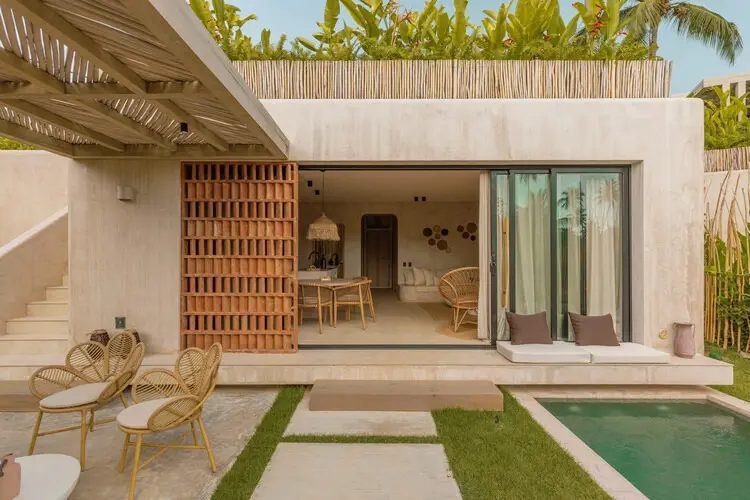
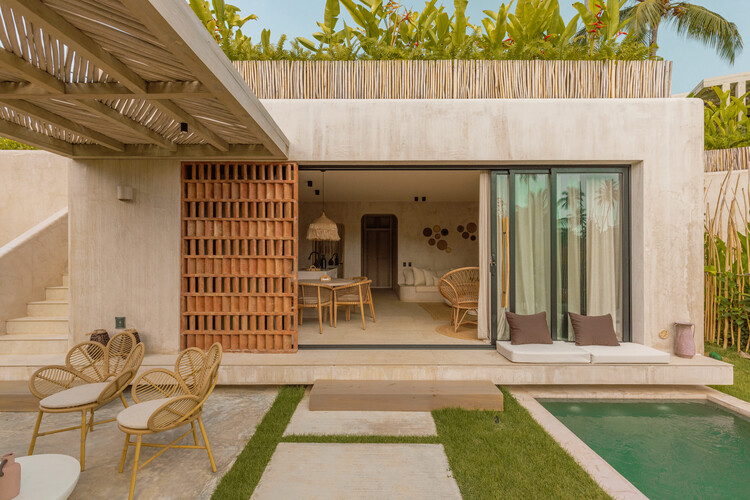
The architectural landscape of the Caribbean continues to evolve with a profound respect for natural topography, as demonstrated by Cel-Ras Arquitectura in their latest hospitality project, Hotel Amares. Situated along the dramatic and scenic northern coast of the Dominican Republic, the new beachfront development merges contemporary design sensibilities with the raw, unspoiled beauty of the region. Curated for architecture enthusiasts and travelers seeking an immersive connection to nature, Hotel Amares stands as a testament to thoughtful, context-driven planning in one of the Caribbean’s last remaining pristine coastal sanctuaries.
Spanning an expansive 14,152-square-meter site, Hotel Amares is located directly on Playa El Estillero, near the charming town of El Limón on the northern shores of the Samaná Peninsula. This specific stretch of coastline is unique within the modern Caribbean tourism market. While many destinations across the region have experienced rapid commercialization and large-scale resort development, the setting for Amares remains remarkably untouched. The plot occupies a dramatic transitional zone, wedged precisely between the vast, dynamic expanse of the Atlantic Ocean and a dense, verdant backdrop of towering coconut palms and lush tropical forest. This geographical duality provides the foundational concept for the architectural approach taken by Cel-Ras Arquitectura, where the built environment must negotiate the boundary between marine expanses and dense tropical foliage.
The design strategy for Hotel Amares leverages this rare ecological context to create a hospitality experience that prioritizes harmony over dominance. Rather than imposing an alien geometric structure onto the landscape, the architectural intervention is informed by the inherent qualities of the site. The layout carefully weaves around the existing vegetation, preserving the native flora and integrating the dense canopy of coconut palms directly into the spatial experience of the guests. This delicate balancing act allows the architecture to recede into the background, letting the natural interplay of light, shadow, sea breeze, and tropical greenery take center stage.
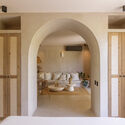
Inside the hotel spaces, captured through the lens of architectural photographer Paula Martínez, the interior design philosophy mirrors the exterior’s commitment to natural integration. The material palette draws inspiration from the surrounding environment, utilizing locally sourced elements, earthy textures, and an open-air spatial organization that encourages natural ventilation and continuous visual connections to the landscape. Public zones and private rooms alike are oriented to capture sweeping views of either the rolling Atlantic waves or the quiet, moody depths of the adjacent tropical forest. The furniture and architectural detailing maintain a restrained elegance, avoiding superfluous ornamentation in favor of clean lines, tactile surfaces, and honest craftsmanship that complements the tropical climate.
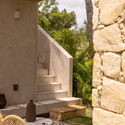
The realization of Hotel Amares highlights a growing shift in contemporary Caribbean architecture toward low-impact, environmentally sensitive design. By choosing a site on the northern coast of Samaná—a region celebrated for its dramatic topography, whale-watching bays, and rugged interior mountains—Cel-Ras Arquitectura has crafted a retreat that honors the spirit of the place. The project serves as an architectural exploration of how hospitality spaces can inhabit sensitive coastal ecosystems without disrupting their ecological integrity.
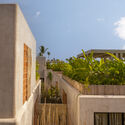
As documented by architectural curators and media platforms, the completion of Hotel Amares marks a significant milestone for Cel-Ras Arquitectura, showcasing their ability to translate complex regional contexts into cohesive architectural narratives. Through a careful synthesis of landscape architecture, interior design, and structural planning, the firm has delivered a project that offers a blueprint for future development in ecologically rich and culturally sensitive territories. The hotel officially enters the architectural discourse as a prime example of modern tropical design executed with restraint, elegance, and a deep-seated reverence for the natural world.