
The ongoing political friction surrounding renewable energy infrastructure in the United States has taken a remarkably semantic turn. The U.S. Department of Energy (DOE) has introduced a fresh bureaucratic re-labeling effort, quietly pivoting away from the common terminology of wind power to a more convoluted designation: "aeromechanical energy systems."
This linguistic maneuver arrives amidst a broader climate of administrative skepticism toward wind generation under the current federal leadership. Over the past few weeks, the agency’s digital footprint has featured a mixture of recirculated Biden-era clean energy information alongside fresh milestones, such as the late-August launch of the PacWave South clean energy facility. Yet, the inclusion of wind energy topics on federal portals stands in stark contrast to the administration’s long-standing animosity toward wind power, creating a complex and contradictory landscape for the domestic renewable energy sector.
The War On Wind Turbines
Industry observers note that expecting the Department of Energy to launch expansive new funding programs designed to revitalize the U.S. wind industry under current political conditions would be overly optimistic. President Donald Trump has consistently targeted wind energy, focusing particularly on offshore wind developments. Actions taken by the administration have even extended to exploring financial buyouts or agreements encouraging offshore leaseholders to abandon their approved plans—a strategy critics have characterized as a controversial method of halting development.
Despite this regulatory chill, recent updates to the Energy Department’s online resources include an explainer page titled "Wind Manufacturing and Supply Chain," dated September 10. The documentation outlines that the agency collaborates with wind energy technology suppliers to advance manufacturing capabilities, enhance reliability, lower production costs, and foster a domestic industry capable of competing globally. Furthermore, the agency references the support of industry partnerships and targeted research and development funding aimed at integrating new designs, materials, and manufacturing processes.
A Wind Turbine By Any Other Name
The origin of these updated resources traces back to a newly formed administrative body. On September 17, the Department of Energy announced the creation of the Integrated Energy Systems Office (IESO). This newly consolidated branch merges the former Solar Energy Technologies Office and the Wind Energy Technologies Office into a single administrative unit.
According to agency communications, the core mission of the IESO is to enhance grid reliability and secure U.S. technological leadership across diverse energy generation sources while lowering energy costs. The agency framed the consolidation as a measure to seize opportunities within the evolving energy landscape to promote American energy dominance—language traditionally employed by the administration when championing fossil fuels.
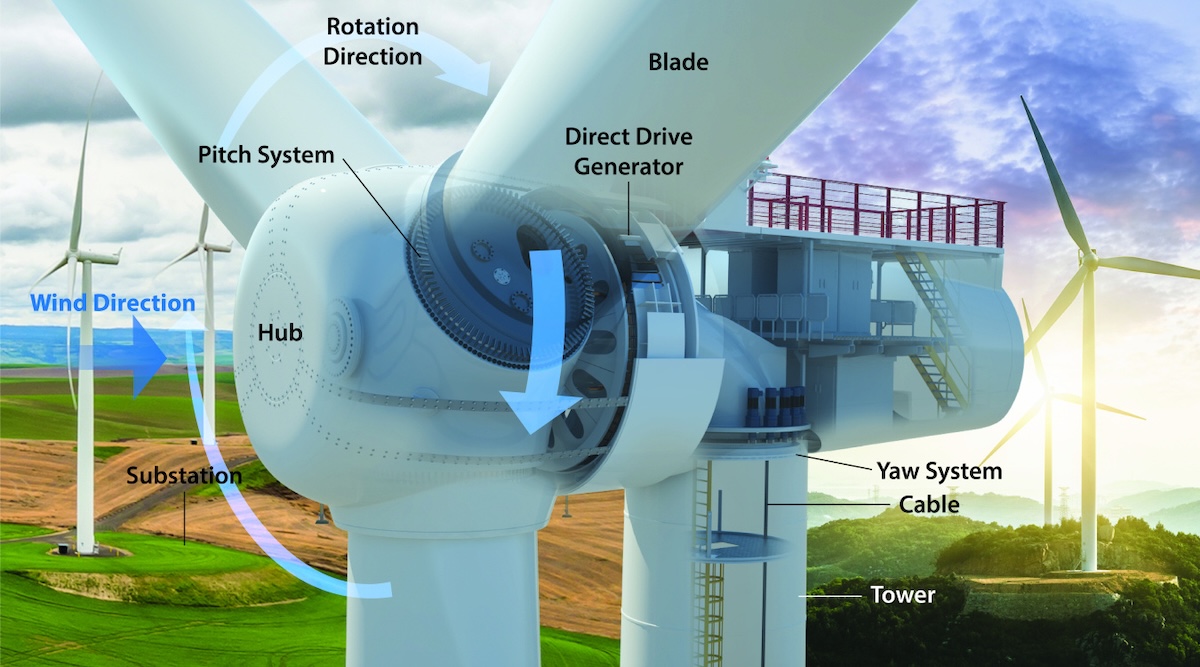
Within this newly minted structure, however, a distinctive phrase emerged. In outlining the scope of the combined solar-and-wind portfolio—which encompasses advanced photovoltaics, solar thermal technologies, cybersecurity, grid integration, and permitting—the agency introduced the term "aeromechanical energy systems."
This terminology replaces the more direct and widely understood label of "wind turbines." Under the IESO organizational structure, the newly designated aeromechanical energy systems branch is tasked with addressing the long-term reliability and performance challenges of wind energy systems, as well as facilitating the recycling of end-of-life wind components.
Where Are These Aeromechanical Energy Systems Of Which You Speak?
The integration of wind oversight into the IESO places the office under the broader umbrella of the recently established Office of Critical Minerals and Energy Innovation (OCMEI). Currently, the structural rollout appears preliminary. The newly updated IESO web pages list only a single open funding opportunity—directed toward space solar initiatives—while showing zero upcoming opportunities and a substantial catalog of programs categorized as "under review." Programs awaiting evaluation primarily fall under solar initiatives or general grid modernization efforts.

While broader critical mineral and energy innovation funding programs managed by the parent office may eventually yield indirect benefits for the wind sector, immediate prospects for fresh financial backing specifically dedicated to aeromechanical energy systems remain minimal.
The Fight For Onshore Wind Power Continues
Meanwhile, the broader administrative and legal battles surrounding onshore and offshore wind power persist across multiple fronts. Federal courts have previously affirmed that executive authority extends to halting the issuance of new offshore wind leases under federal jurisdiction, effectively stalling new offshore growth. However, judicial rulings have simultaneously affirmed that the administration lacks the legal authority to retroactively halt or delay offshore projects that already possess valid leases. This legal boundary has fueled the administration’s reliance on lease buyouts as a final mechanism to prevent offshore turbines from entering the water.
These financial transactions have not gone unchallenged. A coalition of coastal states has filed lawsuits seeking to reverse the buyouts, while members of Congress have raised legal questions regarding whether the transactions were appropriately routed through the Department of Justice.
Onshore wind development faces a parallel set of bureaucratic hurdles. Last year, the U.S. Department of Defense abruptly paused a routine interagency review process for wind farm permits exceeding 200 feet in height, a review conducted in coordination with the Federal Aviation Administration. State officials reported that federal authorities ceased countersigning mitigation agreements and halted communication with project developers.
In response to the operational freeze, a coalition of 19 state attorneys general filed legal challenges against the administration. A federal judge subsequently ruled that the Department of Defense’s blockage of onshore wind projects was unlawful. While the administration retains various regulatory avenues to contest or scrutinize renewable infrastructure, proponents of the technology maintain that despite shifting political priorities, the fundamental demand for wind energy endures.