The path to a sustainable transportation future requires more than just passive support for renewable technologies; it demands active, visible participation from everyday drivers. Following the recent publication of the Clean Energy Evangelist Report Card, advocates are expanding on what it truly means to lead by example in a world still heavily reliant on fossil fuels. Becoming an effective clean energy evangelist involves a combination of deep knowledge, strategic financial and lifestyle choices, and a willingness to visibly champion electric mobility in communities where internal combustion engines still dominate.
For those looking to make a tangible impact, the journey begins with understanding the core technologies driving the green transition, recognizing the cost and efficiency advantages of each option, and systematically integrating clean energy choices into daily life. Because few individuals possess the unlimited financial resources required to instantly reduce their fossil fuel consumption to absolute zero, the transition is naturally progressive. Strategic transitions occur organically—such as replacing an aging automobile when it reaches the end of its road life, or swapping out a failing gas-powered furnace, water heater, or lawnmower for an efficient electric heat pump or battery-powered alternative. Over time, these individual upgrades can expand to include rooftop solar installations, garage battery storage systems, and the increased adoption of public transit and carpooling.
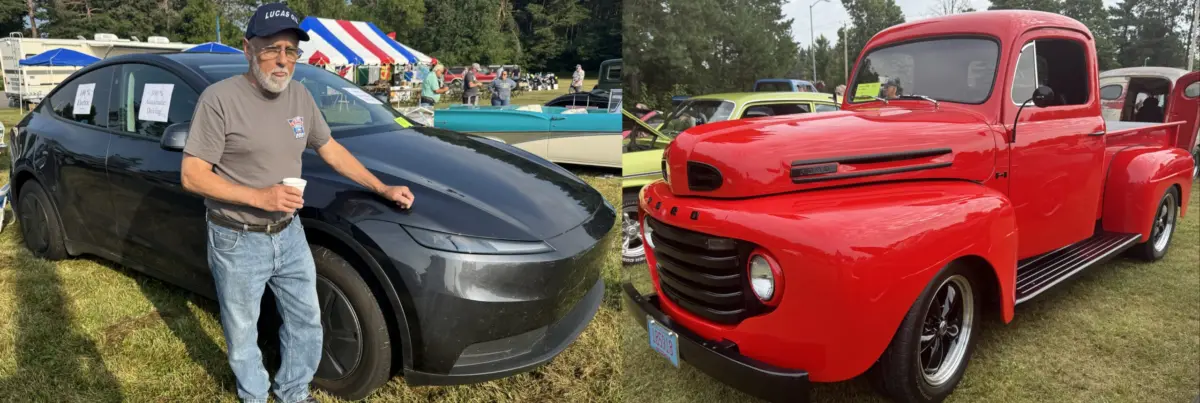
However, true evangelism often extends beyond the domestic sphere and into the public eye. For a decade, dedicated advocates have taken their battery-electric vehicles to local car shows and holiday parades to demonstrate the viability of emissions-free driving. Yet, community outreach presents unique hurdles. At recent regional events, such as a summer car show in Three Lakes, Wisconsin, showcasing a brand-new 2026 Tesla Model Y often yielded muted public interest among crowds gathered primarily to admire restored classic gas-powered trucks and vintage automobiles. Despite the presence of window placards proudly designating the vehicle as one hundred percent electric and capable of automated driving, mainstream acceptance at traditional automotive gatherings remains an uphill battle. Consequently, many advocates suggest that future public displays are most effective when paired with more diverse or unusual electric vehicles, such as electric pickup trucks, though participation in community traditions like Fourth of July parades continues to offer a reliable platform for visibility.
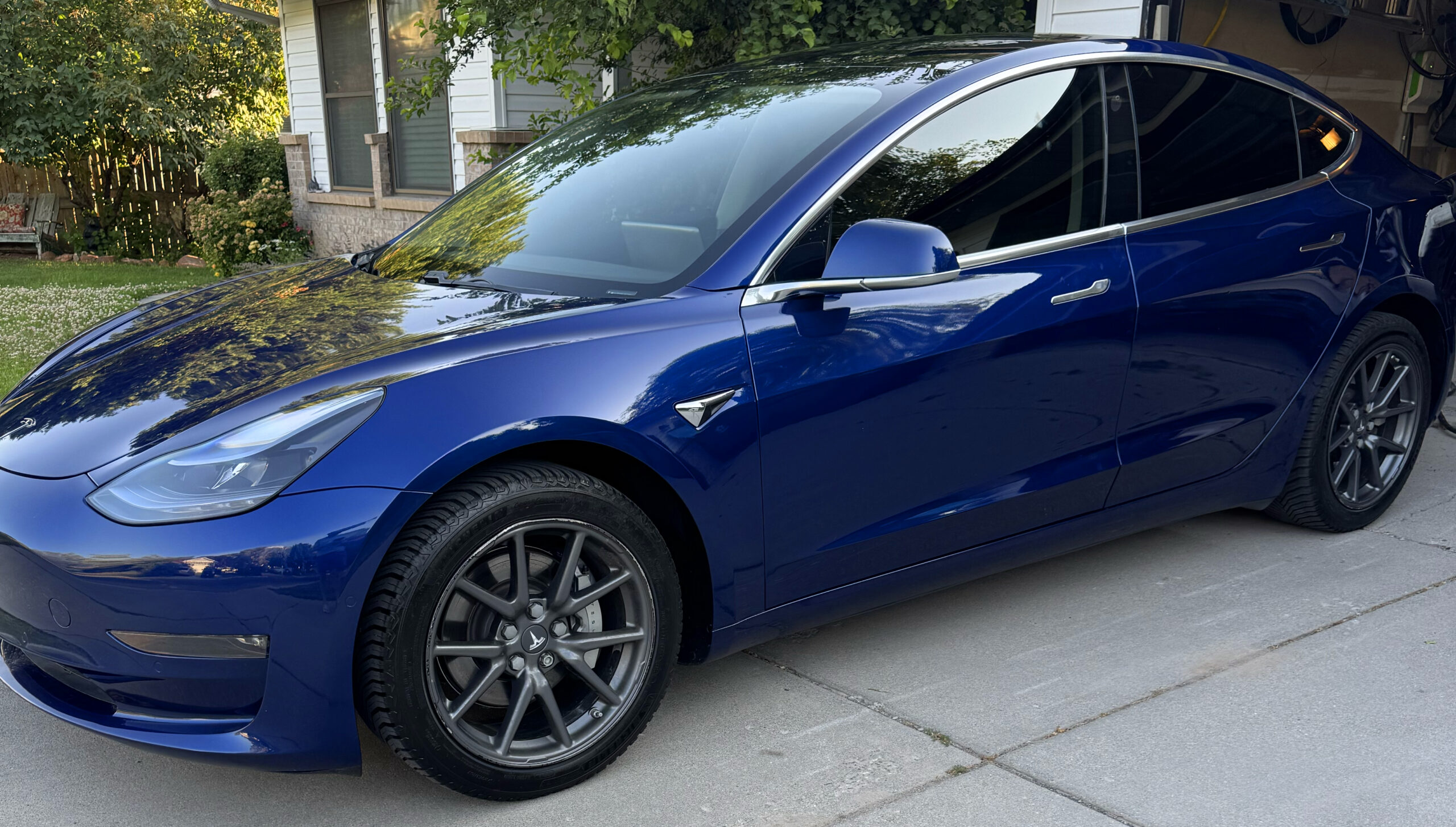
At the heart of any clean energy evangelism effort is the decision to replace a traditional gasoline-powered automobile with a pure battery-electric vehicle. Driving a BEV serves as a constant, visible statement to everyone on the road, proving to skeptical communities that electric alternatives are entirely practical for daily use. Traditional internal combustion engine vehicles generate substantial amounts of carbon dioxide, emit dangerous sub-micron particulate matter into the air, and release additional microscopic particles from routine brake pad wear. In contrast, battery-electric vehicles produce zero tailpipe emissions while operating, achieve remarkable mechanical efficiency ratings of around ninety percent, and drastically reduce brake pad wear through the use of regenerative braking systems. Whether relying on factory badges or custom exterior placards indicating zero-emissions capability, making the shift highly visible helps demystify the technology for onlookers.

The financial landscape for acquiring a new electric vehicle continues to evolve, offering compelling options for prospective buyers across different budget tiers. Recent financing rates for a new base-model rear-wheel-drive Tesla Model Y hover around competitive levels with manageable monthly installments, while alternative configurations such as the recently launched long-wheelbase, three-row, six-seat Model YL launch edition cater to larger families. Standard inclusions across the current Tesla lineup feature advanced hardware capable of running sophisticated driver-assistance packages, alongside EPA-estimated battery ranges exceeding three hundred miles.
Budget-conscious consumers can also find substantial value in the pre-owned market, where older models offer robust remaining battery range and retained component warranties at a fraction of their original cost. For instance, well-maintained pre-owned performance vehicles from previous model years can be secured for remarkably accessible prices. Yet, navigating the used electric vehicle market presents its own set of challenges, as traditional used car dealerships frequently lack the specialized knowledge required to properly evaluate, categorize, and market electric vehicles. Dealership personnel often struggle to identify key specifications such as remaining battery health, motor configurations, onboard computer hardware generations, or the status of transferable software packages. While this lack of product familiarity can occasionally result in exceptional bargains for knowledgeable buyers, it underscores a broader need for better consumer education within the broader automotive retail sector.

Fortunately, the charging infrastructure supporting these vehicles has become increasingly unified. Modern electric vehicle drivers benefit from broad compatibility across expanding fast-charging networks, with an increasing number of non-Tesla models incorporating native charging inlets that eliminate the need for adapters. Affordable options like the Chevrolet Bolt provide accessible entry points into the market while utilizing widely adopted charging standards.
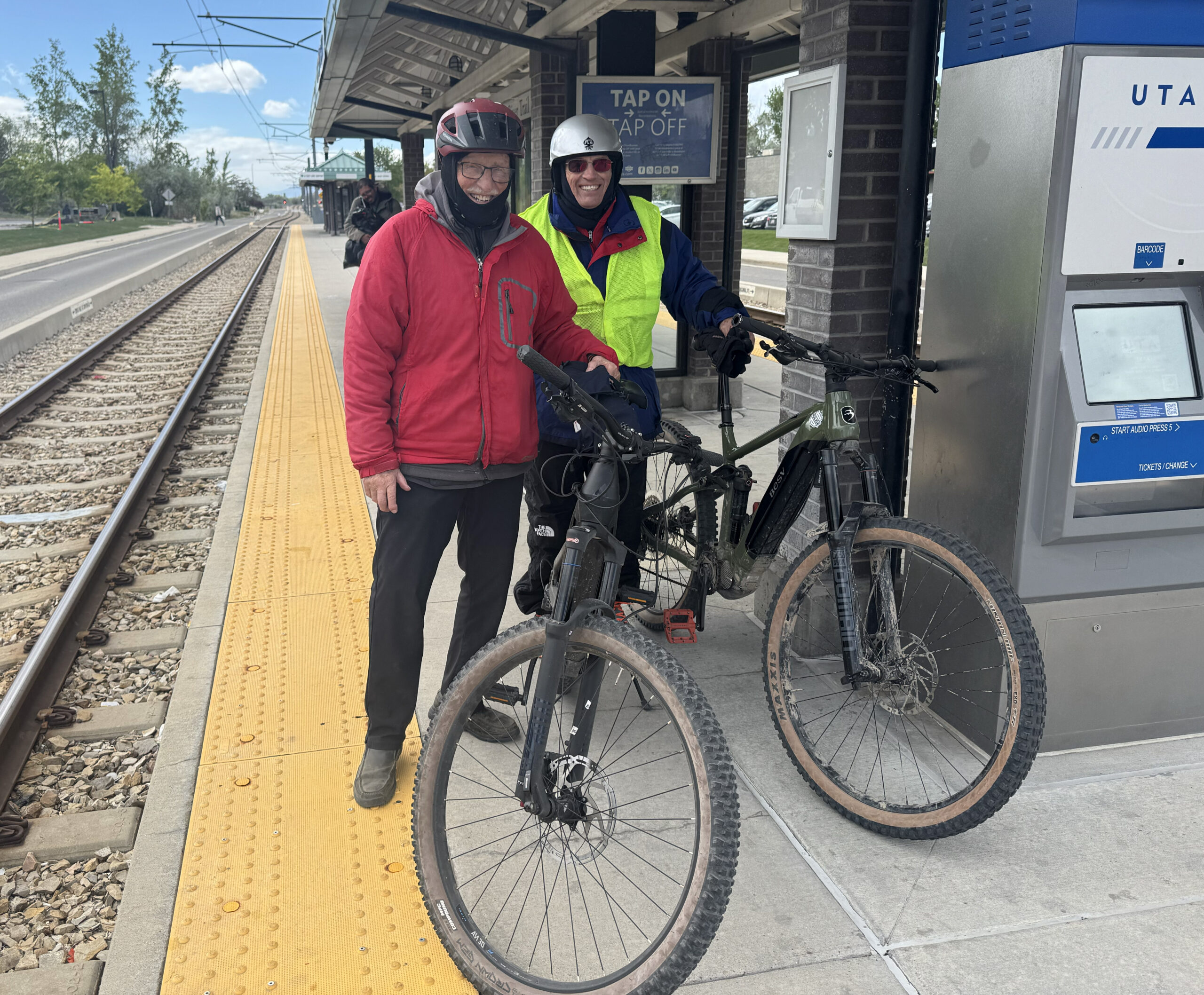
Complementing the primary electric vehicle with a secondary mode of green transportation creates a comprehensive, bookend approach to personal mobility. For many households, an electric bicycle successfully substitutes for a second car, handling routine errands such as pharmacy visits, gym trips, and grocery runs. Mountain-style electric bicycles offer enhanced versatility, easily handling unpaved gravel paths, absorbing road imperfections, and navigating urban infrastructure with ease. For individuals who may face physical limitations regarding traditional two-wheeled transport, electric trikes and recumbent bicycles provide stable, accessible alternatives that preserve personal independence while keeping miles off the primary motor vehicle.
As the transition toward sustainable energy accelerates, the collective impact of these individual choices—ranging from the car a driver chooses to park in the driveway to the bicycle used for quick neighborhood trips—paves the way for broader societal acceptance. By combining informed purchasing decisions with visible public advocacy, clean energy evangelists play a vital role in demonstrating that a sustainable, electric future is not only achievable, but already well underway.