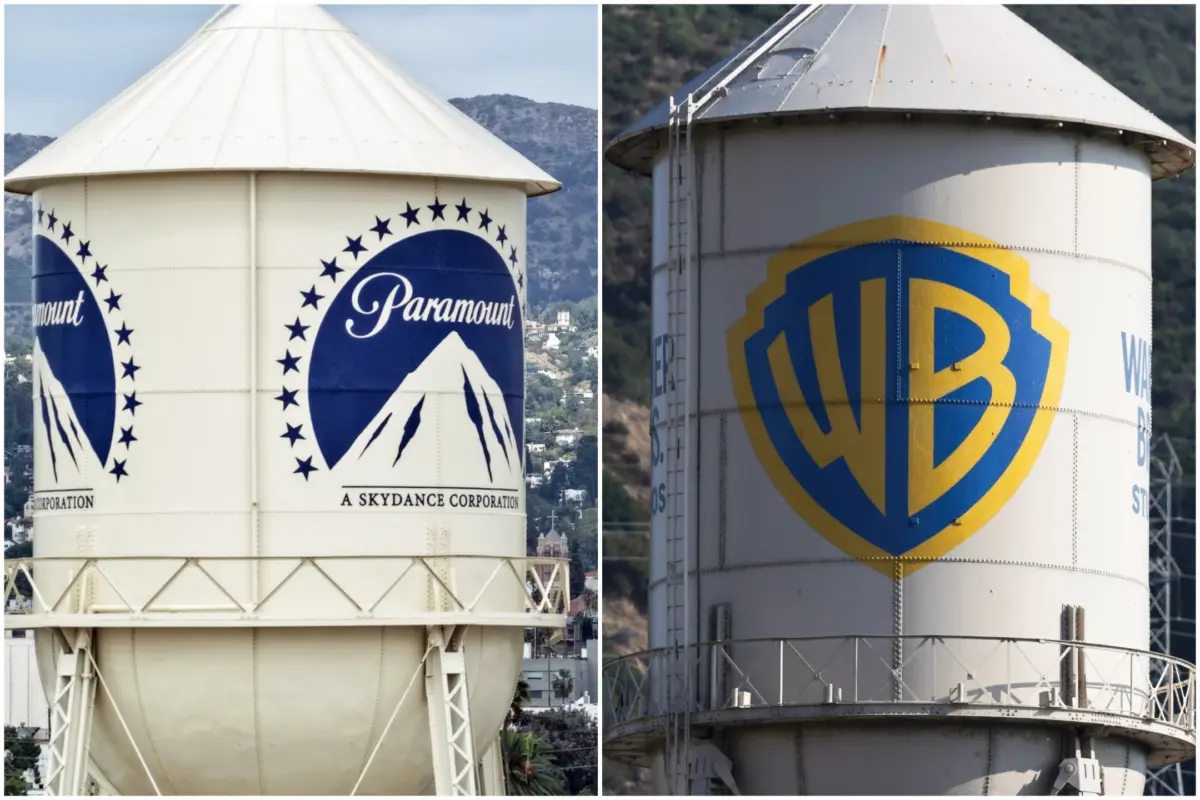
Paramount Global is positioning itself for a new chapter in its corporate history as it edges closer to the finalization of its massive $111 billion merger with Warner Bros. Discovery. While the deal has not yet reached the finish line, the media conglomerate is actively making the necessary logistical and regulatory preparations for a closing expected within the coming weeks. This complex transition involves not only the integration of two of the world’s most significant media entities but also a high-stakes shift in the company’s public listing and a sophisticated financial maneuver regarding shareholder warrants.
In a regulatory filing submitted to the Securities and Exchange Commission (SEC) on Friday, Paramount disclosed that its board of directors officially determined on September 25 to voluntarily withdraw the listing of its Class B common stock from the Nasdaq Global Select Market. Currently trading under the ticker symbol "PSKY," the stock is slated to transition to the New York Stock Exchange (NYSE). According to the company’s current timeline, the trading of Class B Common Stock on Nasdaq is expected to cease at the market’s close on or about October 5, with the corresponding trading on the NYSE scheduled to commence at the market open on or about October 6.
This move to the NYSE is a significant strategic shift for the company, signaling a new era for the organization as it aligns its structure with the requirements of the pending merger. However, the complexity of the deal is underscored by the contingencies surrounding these administrative changes. Paramount’s board has set a record date of October 5 for the distribution of warrants, which would grant holders the option to purchase shares of Class B Common Stock on the NYSE, with trading for these shares anticipated to begin on October 13.
Crucially, Paramount emphasized in its filing that the distribution of these warrants is strictly contingent upon the successful closing of the acquisition by the company of Warner Bros. Discovery. At this stage, the merger remains subject to further closing conditions, and the ultimate timing for the finalization of the transaction is not yet certain. Consequently, Paramount has retained the flexibility to either cancel the record date and the associated issue date or postpone them to a later date, should the merger timeline shift beyond current expectations.
In a parallel move related to the broader consolidation, Warner Bros. Discovery announced on Friday that it intends to voluntarily delist its "Euro Notes" debt securities—specifically the 4.302% senior notes due in 2030 and the 4.693% senior notes due in 2033—from the Nasdaq. WBD expects to file the necessary notifications with the SEC on or around October 6, reflecting the massive financial restructuring occurring behind the scenes as the two corporate entities prepare to consolidate their operations.
The path to this merger has been fraught with regulatory and legal obstacles, the most significant of which appeared to be cleared earlier this week. Paramount successfully reached a settlement with a coalition of 12 Democratic state attorneys general who had previously filed an antitrust lawsuit to block the deal. While the settlement represents a major breakthrough, the process is not yet fully concluded. The judge overseeing the case is currently reviewing the terms of the proposed settlement, which does not appear to require significant concessions from Paramount.
The judicial review has added another layer of scrutiny to the process, as the court has requested that the involved parties file a formal response by September 28 regarding a request from Sen. Cory Booker (D-N.J.). Senator Booker has called for an independent review of the proposed consent decree, a development that continues to draw attention to the political and regulatory stakes of this high-profile merger.
As the companies race toward the closing date, the financial pressure is intensifying. Starting October 1, Paramount is set to begin accruing a "ticking fee" of $7 million per day. This fee is payable to Warner Bros. Discovery shareholders and will continue to accumulate until the merger is officially closed, providing a clear financial incentive for both parties to finalize the transition as efficiently as possible.
The warrants that Paramount intends to issue to PSKY shareholders are designed to provide eligible holders of existing Class B Common Stock the opportunity to purchase shares in the new entity on terms similar to those offered to the high-profile equity syndicate backing the deal. This syndicate includes influential figures such as David Ellison, his father Larry Ellison, and Gerry Cardinale, the head of RedBird Capital Partners. These individuals have played a central role in the architecture of the merger, and the warrant structure is intended to ensure that existing shareholders have a comparable avenue for participation in the future of the combined company.
Paramount expects to issue approximately 470 million warrants on October 5. Notably, the distribution plan includes specific provisions for the company’s internal retirement accounts. Shares of Class B Common Stock held by the Paramount Global 401(k) Plan and the Paramount Global Master Trust will receive shares of Class B Common Stock directly, rather than receiving warrants.
The technical specifications for the warrants, should they be issued, are precise. Each warrant will initially entitle the holder to purchase one share of Class B Common Stock at an exercise price determined by the average of the daily volume-weighted average price of the Class B Common Stock over the 20 trading days leading up to the third business day prior to the closing of the WBD merger. To protect against extreme volatility, the purchase price for these warrants is subject to a defined range, with a cap of $16.02 per share and a floor of $12.00 per share.
The shifting regulatory landscape and the administrative preparations for the NYSE listing reflect the final, high-pressure phase of a deal that has dominated media industry discourse for months. While the logistical framework is now being put into place, the uncertainty regarding the exact closing date remains a focal point for investors and industry observers alike. As the calendar approaches early October, the focus remains on the judicial review of the antitrust settlement and the potential impact of the daily ticking fee on the ultimate terms of the merger. Paramount’s board continues to navigate these final requirements, balancing the necessity of corporate restructuring with the ongoing obligation to provide transparency to its shareholders as the company transitions toward its next iteration under the Warner Bros. Discovery umbrella.