DC Studios co-head James Gunn has issued a sharp and spirited defense of the upcoming Clayface film, pushing back against online detractors who have questioned why such a niche character was greenlit for a standalone feature. The discourse, which unfolded on the social media platform Threads earlier this week, highlighted a recurring tension in modern Hollywood: the balance between fan-driven expectations for established icons and the creative freedom to explore deeper, less conventional corners of comic book lore.
The controversy began when a user on Gunn’s Threads account challenged the studio’s decision to produce a movie centered on the shape-shifting Batman villain. The user bluntly asked, “Who tf asked for a Clayface movie?”
Gunn, known for his direct engagement with fans and critics alike, did not shy away from the confrontation. He responded with a rhetorical counter-offensive that questioned the very nature of how audiences perceive cinematic necessity. “Who tf asked for Back to the Future? Casablanca? There’s Something About Mary? Pan’s Labyrinth? Fury Road? Weapons? The Matrix?” Gunn asked, listing films that have since become cultural touchstones but were not, at their inception, the result of public polling or audience demand.
The user’s original comment was subsequently deleted, but Gunn’s point remained central to his vision for the future of DC Studios. “Although it may seem like it, Hollywood isn’t a place where the only way to make a movie is the public voting on what IP they want to see that they’ve seen countless times before,” he added.
The Philosophy Behind Creative Inspiration
Gunn elaborated on his stance in a follow-up post, emphasizing that the most compelling stories often arise from singular creative visions rather than market-driven mandates. He pointed to the specific development history of the Clayface project, noting that the spark of inspiration came from established filmmakers who saw potential in a character that had largely been relegated to supporting roles or television appearances.
“Sometimes someone — in this case initially Mike Flanagan and then James Watkins and Hossein Amini — were inspired by a relatively little-known fictional character and crafted what I believe is a very special story around that character,” Gunn wrote. “I’d take that inspiration a thousand times over some writer trying to make a buck by writing a listless screenplay about a majorly popular character he or she has no passion or feel for.”
This philosophy suggests a significant pivot for the DC cinematic universe. While blockbuster titans like Superman and Supergirl remain cornerstones of the studio’s strategy, Gunn appears to be carving out a space for auteur-driven projects that leverage the vast, untapped potential of the DC comic archives. By prioritizing the passion of the filmmakers—Watkins and Amini, in this instance—over a rigid checklist of audience-voted characters, the studio is signaling an intent to prioritize narrative quality and artistic curiosity.
Bringing a Villain to the Forefront
The decision to elevate Clayface from a recurring antagonist in the Batman rogues’ gallery to the protagonist of his own feature film is undeniably bold. First introduced in 1940, the character has taken many forms over the decades, appearing in various animated series and video games, but never as the centerpiece of a live-action theatrical release. The film, directed by James Watkins—the filmmaker behind the psychological thriller Speak No Evil—is poised to introduce a version of the character that leans into darker, perhaps more grounded, psychological themes.
Despite the skepticism voiced by some corners of the internet, there is a palpable sense of anticipation among a segment of the fanbase. This interest has been bolstered by the release of a trailer several months ago, which offered a glimpse into the film’s tone. The footage, characterized by its gritty, visceral style and hints of horror, seems to have resonated with viewers, effectively silencing some of the initial noise surrounding the project’s existence. By choosing a director known for building tension and unease, the studio has made it clear that Clayface will not be a traditional superhero blockbuster, but rather a character study with a dark edge.
A Tragic Origin Story
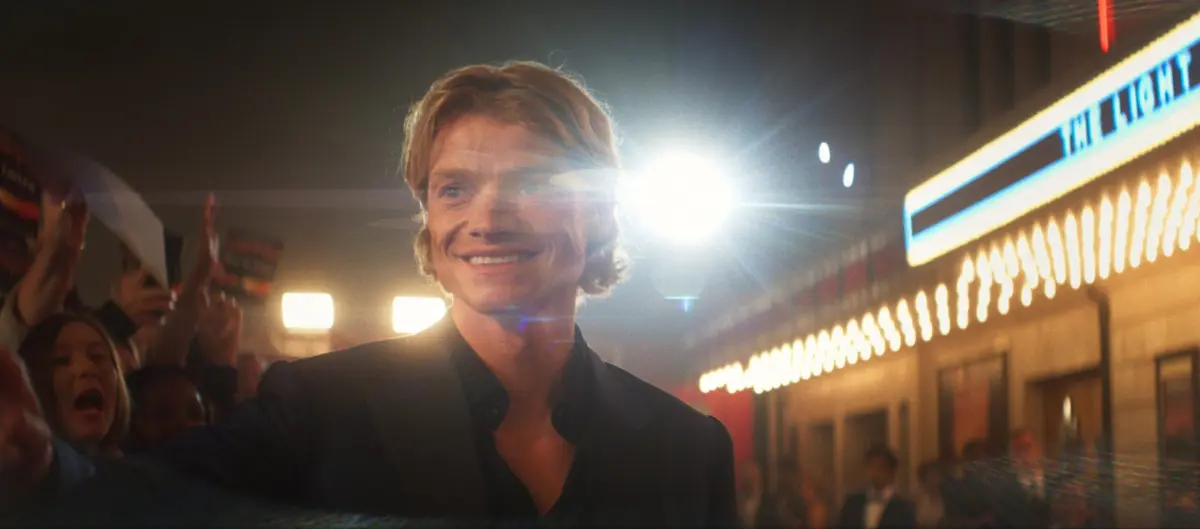
At the heart of the film is actor Tom Rhys Harries, who portrays the tragic figure of Matt Hagen. The official synopsis provided by the studio paints a grim picture of Hagen’s journey, one that deviates from traditional villain tropes to focus on the personal cost of obsession and physical trauma.
According to the official plot summary, the story follows Hagen’s meteoric rise from a street-smart kid in Gotham City to a Hollywood leading man. This path to stardom is abruptly and violently interrupted when the actions of a local crime boss leave him horribly disfigured. The narrative arc then shifts into a desperate, harrowing sequence of events: abandoned by his colleagues and left with nothing, Hagen turns to a cutting-edge, experimental treatment in a bid to reclaim his former life. While the procedure appears to be a miracle, returning him to his original form, it exacts a heavy price, causing him to lose his grip on reality. The resulting “destructive path of all-consuming revenge” serves as the catalyst for the film’s central conflict.
The inclusion of an ensemble cast—including Naomi Ackie, David Dencik, Max Minghella, and Eddie Marsan—suggests that the film is placing significant weight on the dramatic performances surrounding Hagen’s descent. By focusing on the human element—the trauma, the betrayal, and the psychological unraveling—the filmmakers are attempting to ground the fantastical elements of the character in a more visceral, human reality.
Navigating the Modern DC Landscape
The discourse sparked by the Clayface film is reflective of a larger shift within the DC Studios management. Under the leadership of Gunn and Peter Safran, the studio has been vocal about its desire to create a cohesive universe while allowing individual directors the flexibility to explore different genres.
In the modern cinematic landscape, where superhero fatigue is a frequent topic of industry debate, the strategy of pivoting to “nicher” or more experimental projects may be the very thing needed to sustain interest. By taking risks on characters who do not carry the immense, often stifling, expectations of the Justice League, filmmakers are afforded the creative bandwidth to experiment with tone, style, and narrative structure.
The question of “who asked for this” is a common refrain in an era of social media, where fans feel a sense of ownership over the properties they love. However, as Gunn noted, the history of cinema is replete with masterpieces that were never “asked for” by an audience. From the surrealist horror of Pan’s Labyrinth to the dystopian sci-fi of The Matrix, the most enduring films are often those that take audiences somewhere they didn’t know they wanted to go, rather than simply delivering a polished version of something they have seen a dozen times before.
For the production team behind Clayface, the challenge will be to prove that this specific, dark, and intimate vision of a classic comic book villain can stand on its own merits. The film, which has been in development with an eye toward a distinct aesthetic and psychological depth, will face its final test when it hits theaters on October 23. Until then, the project remains a focal point for the broader conversation about what audiences truly want from their comic book movies: more of the same, or something entirely new.
Whether the film ultimately satisfies the curiosity of the general public or remains a polarizing entry in the DC catalog, the conversation sparked by James Gunn underscores a fundamental truth: in the world of creative production, the most interesting projects are often the ones that emerge from a place of genuine passion, regardless of whether they were ever on a fan’s wish list. As the October release date approaches, the focus will inevitably shift from the meta-narrative of the project’s inception to the film itself, allowing audiences to decide whether this version of Matt Hagen’s tragic transformation was worth the wait.