Researchers at the Tufts University School of Medicine and the Graduate School of Biomedical Sciences (GSBS) have unlocked a significant mystery regarding how the nose repairs itself. Using a newly devised, three-dimensional model to study the regeneration of nerve tissue, the team discovered that a specific type of stem cell, long dismissed by the scientific community as being largely dormant, plays a far more pivotal role in preserving the sense of smell than previously understood.
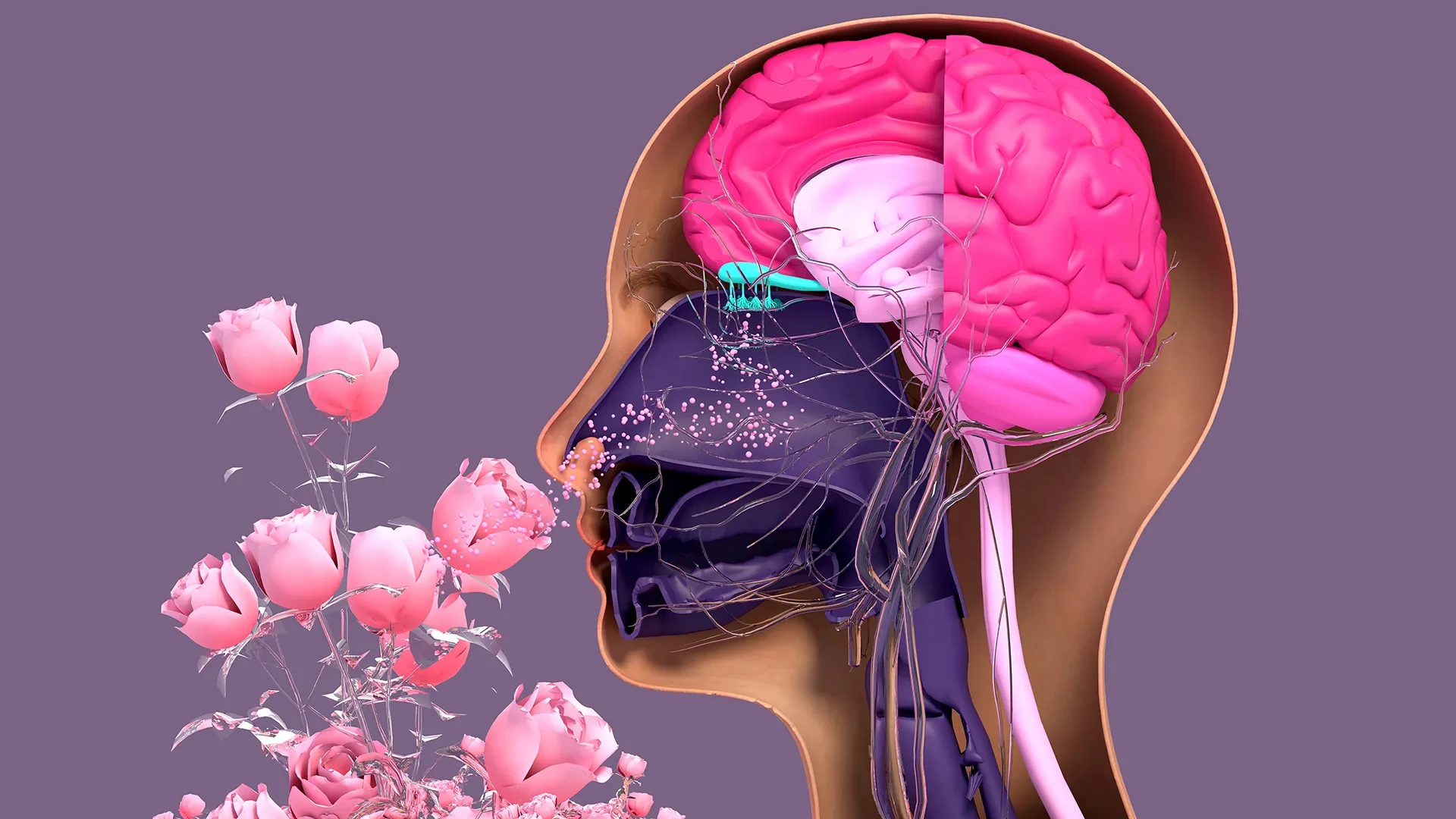
The human sense of smell is a complex and often overlooked sensory system. Unlike neurons in the central nervous system, which generally lack the ability to regenerate after significant injury, sensory neurons in the nasal cavity possess a remarkable, lifelong capacity for renewal. This constant turnover allows the olfactory system to adapt to and recover from the near-constant exposure to environmental toxins, pathogens, and physical trauma. However, this regenerative capacity is not infinite. Viral infections—most notably those associated with COVID-19—prolonged exposure to harmful chemicals, and the natural physiological decline associated with aging can severely impair the function of these cells. When the replenishment process falters, the result is often a partial or complete loss of smell, a condition that can have profound impacts on a person’s quality of life, safety, and psychological well-being.
To better understand the mechanics of this regeneration and the reasons why it eventually diminishes in disease and aging, the Tufts research team developed a new, three-dimensional olfactory tissue model, or organoid. This tool allows scientists to observe how neurons are continually formed within the nose in a controlled environment. The study, which was recently published in the journal Cell Reports Methods, provides a granular look at the interplay between two distinct types of nasal stem cells: horizontal basal cells (HBCs) and globose basal cells (GBCs).
For years, researchers have understood that GBCs serve as the primary "workhorse" for generating new olfactory neurons. HBCs, meanwhile, were largely categorized as a dormant reserve population, waiting in the background to activate only during catastrophic injury. The new Tufts study challenges this long-standing paradigm.
"Our research suggests that these two stem cells may be interdependent," explains Brian Lin, a research assistant professor in the Department of Developmental, Molecular and Chemical Biology at Tufts and the senior author of the study. "One type that we thought was largely dormant—HBCs—may actually play a crucial role in supporting the production of new neurons and the repair of damaged tissue."
By utilizing their innovative organoid model, the researchers identified a specific subpopulation of HBCs that express the protein KRT5. These cells do not merely sit in wait; they actively facilitate the development of new olfactory neurons. Through a series of experiments, the team observed that these KRT5-producing HBCs are fundamental to the structural integrity and success of the organoids. When these specific cells were selectively depleted from the cultures, the generation of new neurons was significantly impaired, proving that their contribution is not optional but essential for the regenerative process.
The research also touched upon the biological mechanisms of aging. By comparing cells taken from mice of varying ages and observing their development within the model, the team documented a clear, age-related decline in regenerative capacity. "We found a decline in the ability of the older mice cells to generate new neurons," says Lin. "We think this is due to a decrease in the GBC population as we age, but we need to do more work to test this hypothesis and, if so, develop ways to rejuvenate them."
An Easy-To-Use Model for Global Research
The development of this 3D model was a deliberate effort to lower the barrier to entry for researchers across the globe. Juliana Gutschow Gameiro, the lead author of the study and a former visiting Ph.D. student at GSBS who came to Tufts from the State University of Londrina in Brazil, focused her efforts on ensuring the model could be constructed easily, even in laboratories that might lack extensive funding or high-end specialized equipment.
This accessibility is critical because the scientific interest in olfactory health has exploded in recent years. "Because loss of smell is associated with COVID-19, as well as with Parkinson’s disease and other conditions, a much larger number of researchers from a variety of different fields have begun researching olfactory epithelial cells in the last few years," Lin notes. By creating a model that is robust yet simple to replicate, the team hopes to empower non-stem cell biologists and those working in resource-constrained environments to contribute to the understanding of how olfactory neurons regenerate and why that process eventually fails.
The use of organoids represents a significant shift in how researchers approach pre-clinical studies. By providing a platform that is faster, less expensive, and potentially more predictive than animal models or traditional 2D cell cultures, organoids allow for more rapid iteration. While organoid technology has already seen success in modeling lung and kidney tissues, the olfactory system has remained a difficult frontier, partly due to the complex cellular environment of the nasal cavity.
The Path Toward Human Organoids
The ultimate goal for the Tufts team is to translate their success with the mouse-tissue model into a human-derived organoid. Such a tool would be invaluable for high-throughput drug screening, allowing researchers to test various chemical compounds to identify those that could treat or reverse the loss of smell in humans.
However, the path to a human model is fraught with technical hurdles. "It’s challenging to get pure olfactory tissue from humans," Lin explains. The current method for collecting samples involves anesthetizing a patient and using a brush—similar to a swab used in a COVID-19 diagnostic test—to reach deep into the nasal cavity. Unlike the mouse model, where the cell populations are more easily isolated, human samples collected in this manner contain a mixture of respiratory stem cells and olfactory stem cells. Distinguishing between these two populations and coaxing them to grow independently in a laboratory setting remains a significant challenge.
For the researchers at Tufts, the next phase of their work will focus on overcoming these separation difficulties. By developing a technique that is both simple and inexpensive, they aim to isolate human olfactory stem cells and establish a reliable, lab-grown human organoid system. As they continue to refine their methods, the team remains focused on the broader mission: to uncover the secrets of the nose’s regenerative power and, eventually, to restore the sense of smell for those who have lost it. Through their work, they are not only expanding the fundamental understanding of stem cell biology but also laying the groundwork for future clinical interventions that could restore a vital, yet often overlooked, sense.