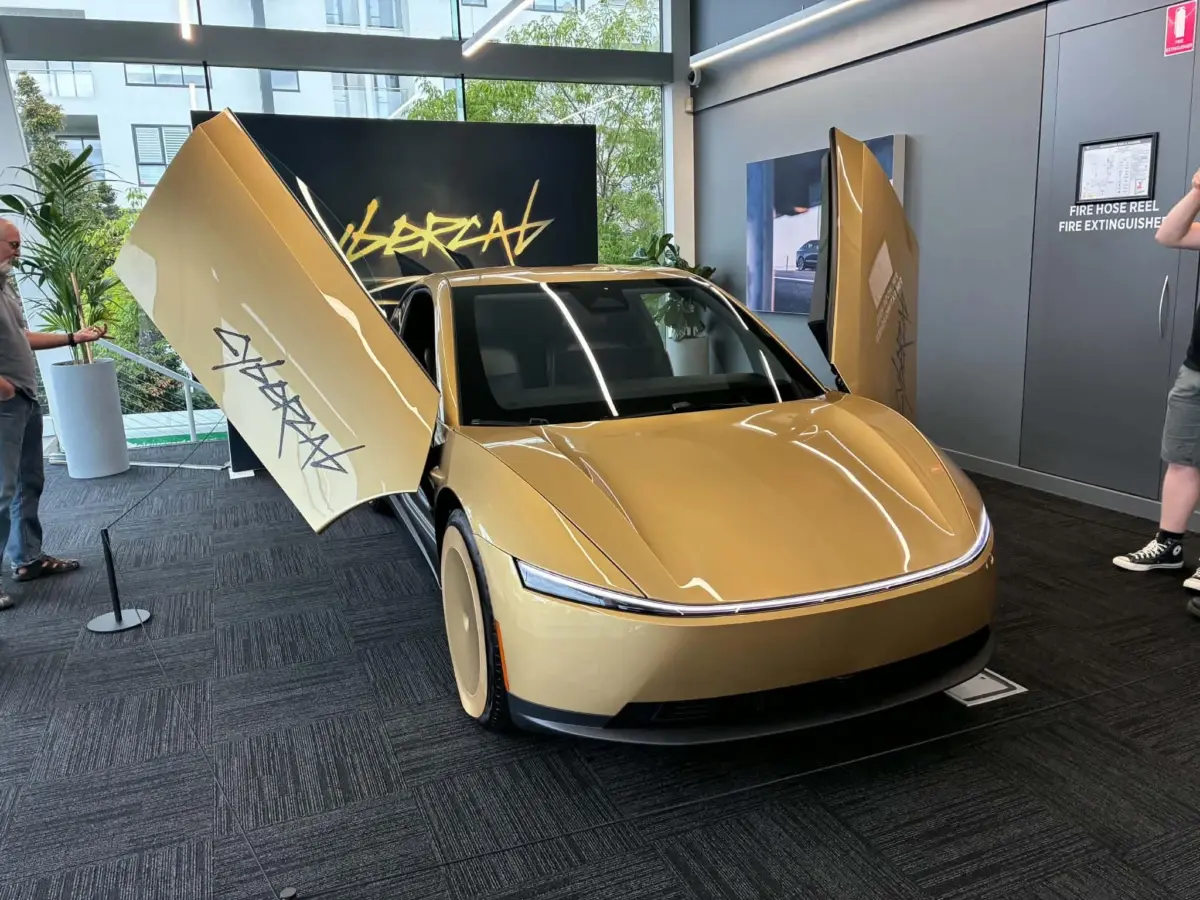
Tesla’s futuristic Cybercab is currently making its way across Australia, stopping in major capital cities to give the public a firsthand look at its steering-wheel-free and pedal-free design. However, the arrival of the autonomous vehicle is landing in a complex landscape, throwing fuel onto an already blazing debate over the future of transportation, regulatory hurdles, and an unexpected alliance between ride-share giants and traditional labor unions.
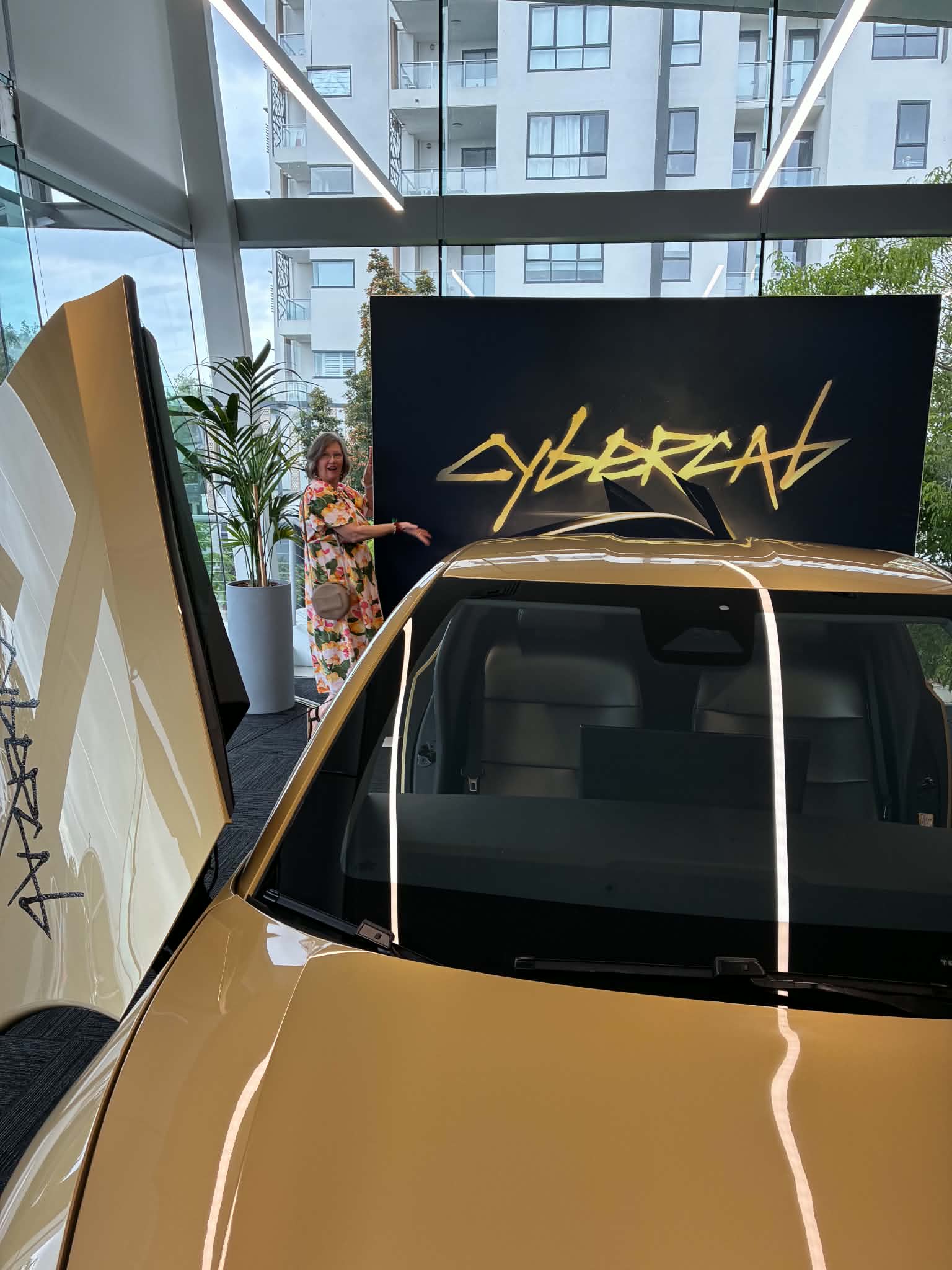
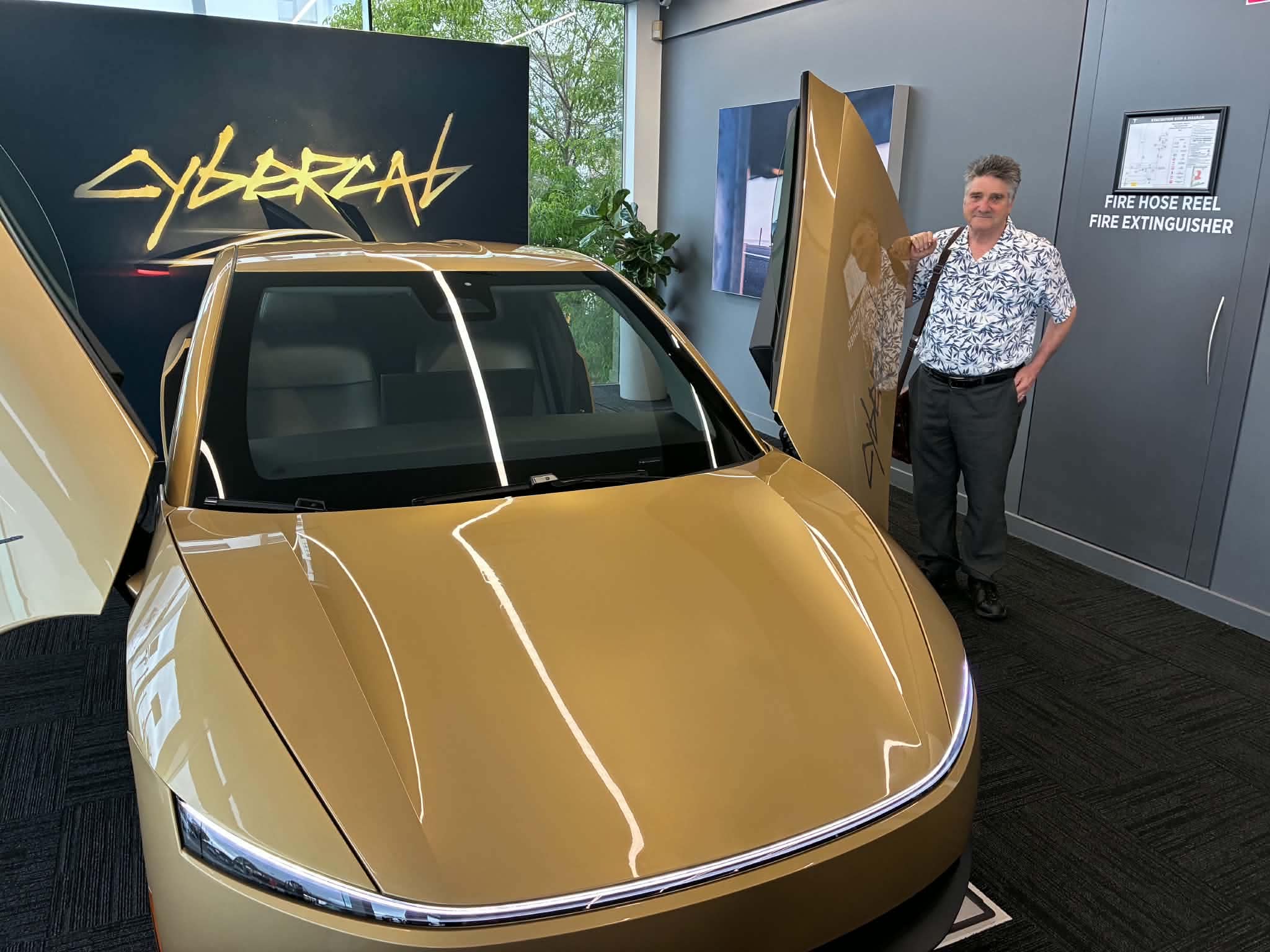
During a recent weekend outing, EV advocates Majella and David Waterworth dropped in at the Tesla showroom in Mt Gravatt, Brisbane, to inspect the Cybercab. While the display area was not overwhelmingly crowded, the showroom manager reported a steady, continuous stream of curious onlookers throughout the week. Tesla is currently executing a multi-city tour across Australia, dedicating roughly one week to each major population center—a strategy reminiscent of the promotional tour the company undertook for the Cybertruck several years ago. With the Cybertruck still unavailable for purchase years after its initial reveal, automotive observers and consumers are left guessing if and when the Cybercab will actually be cleared for use on Australian roads.
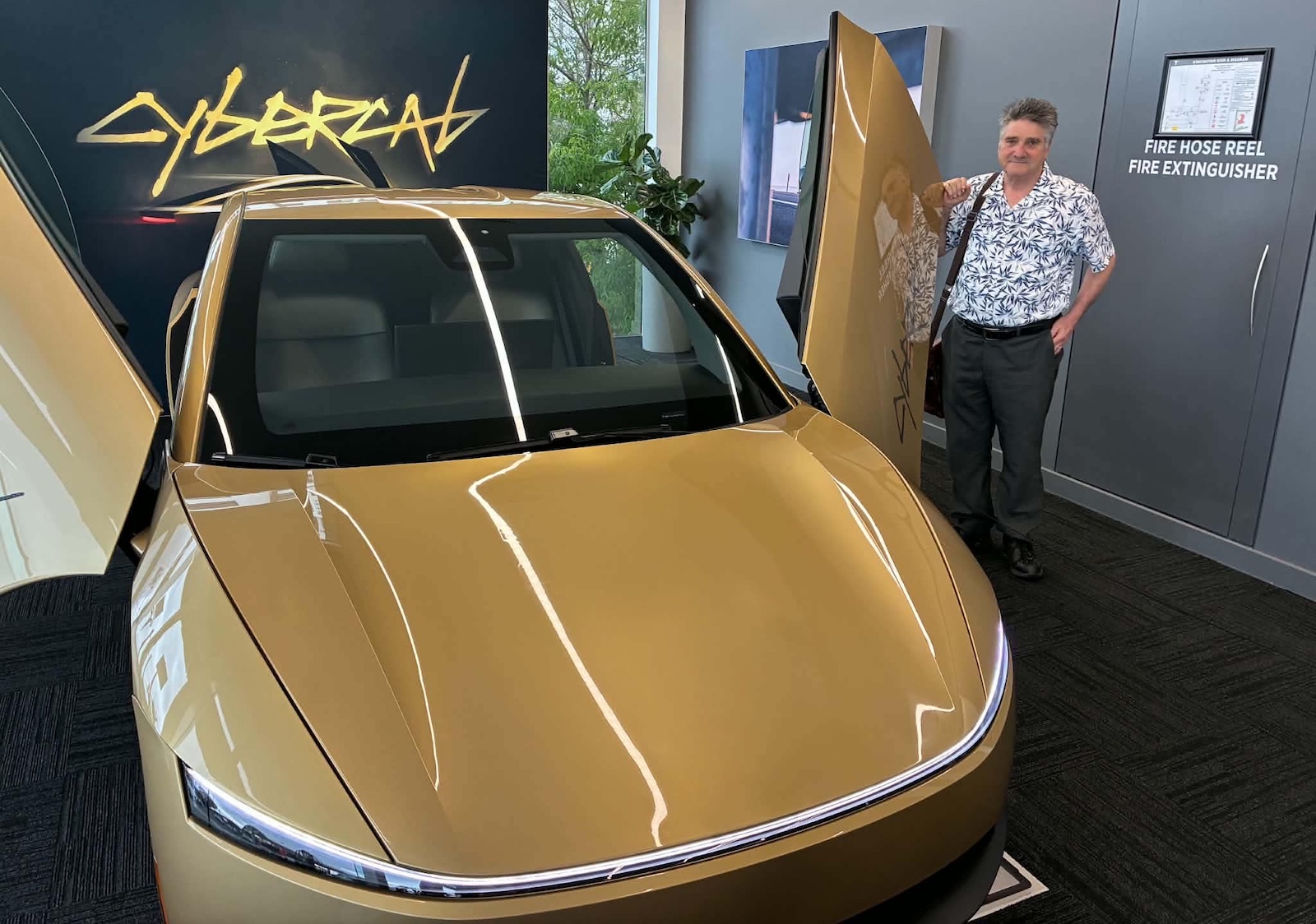
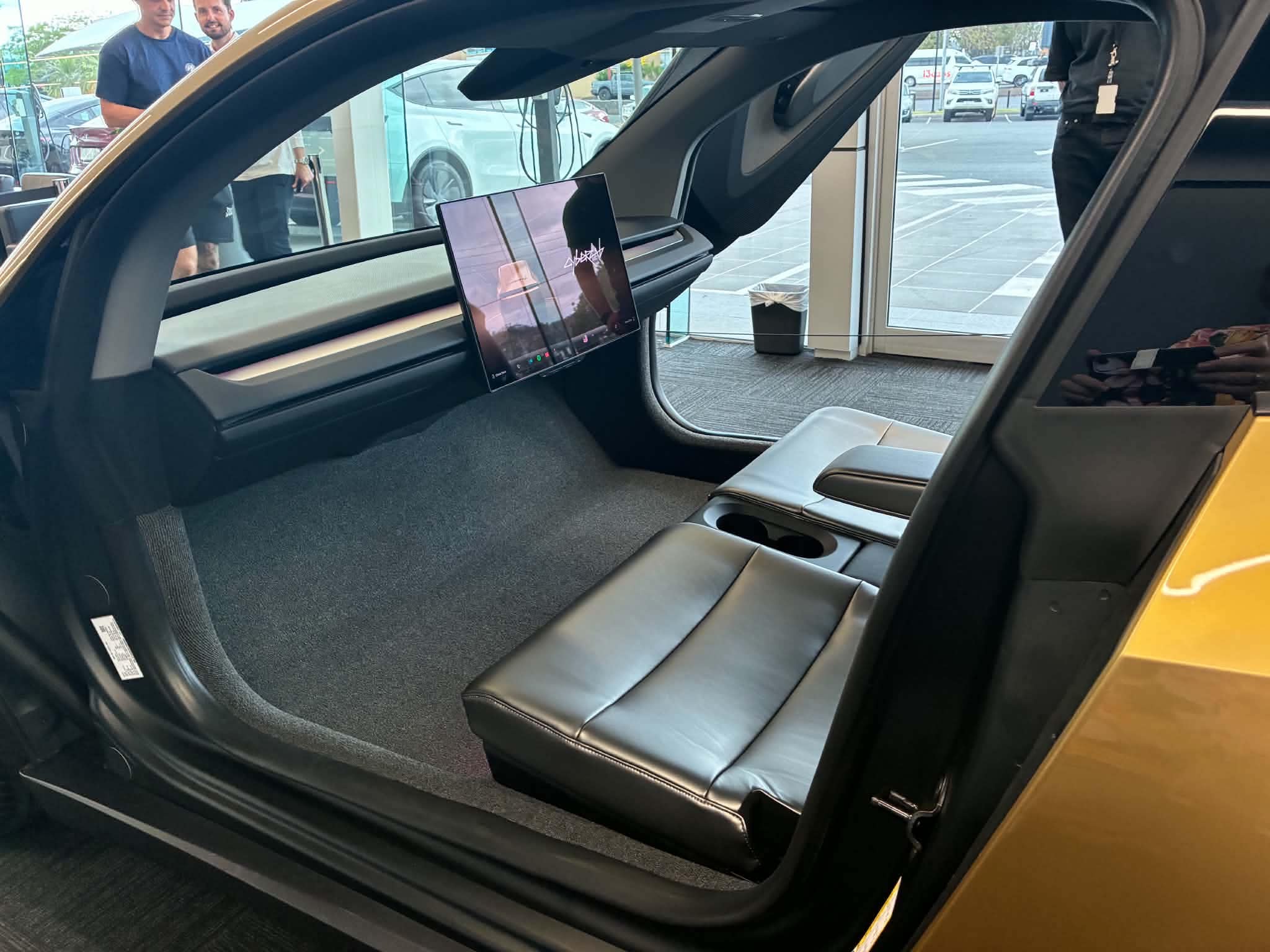
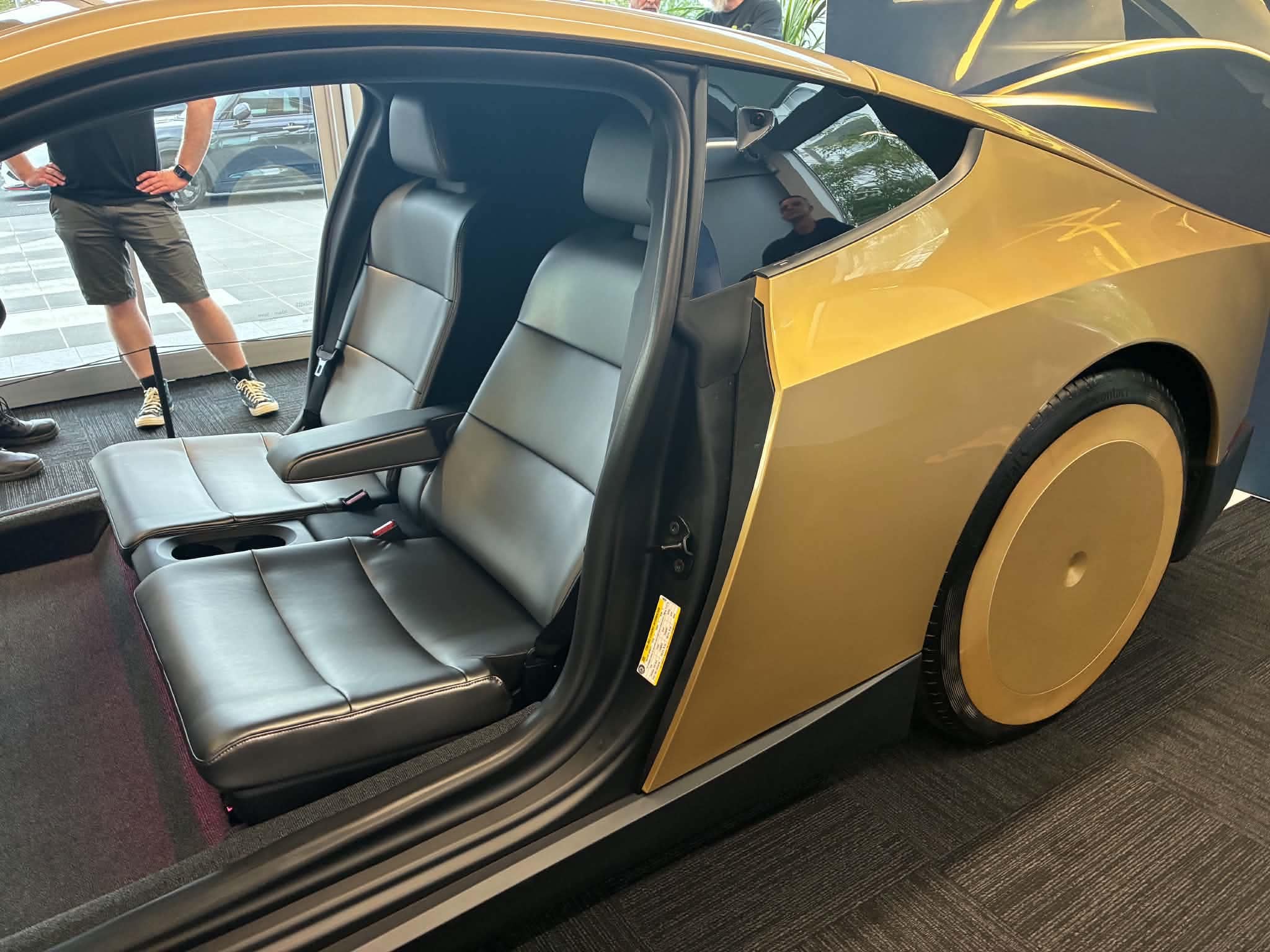
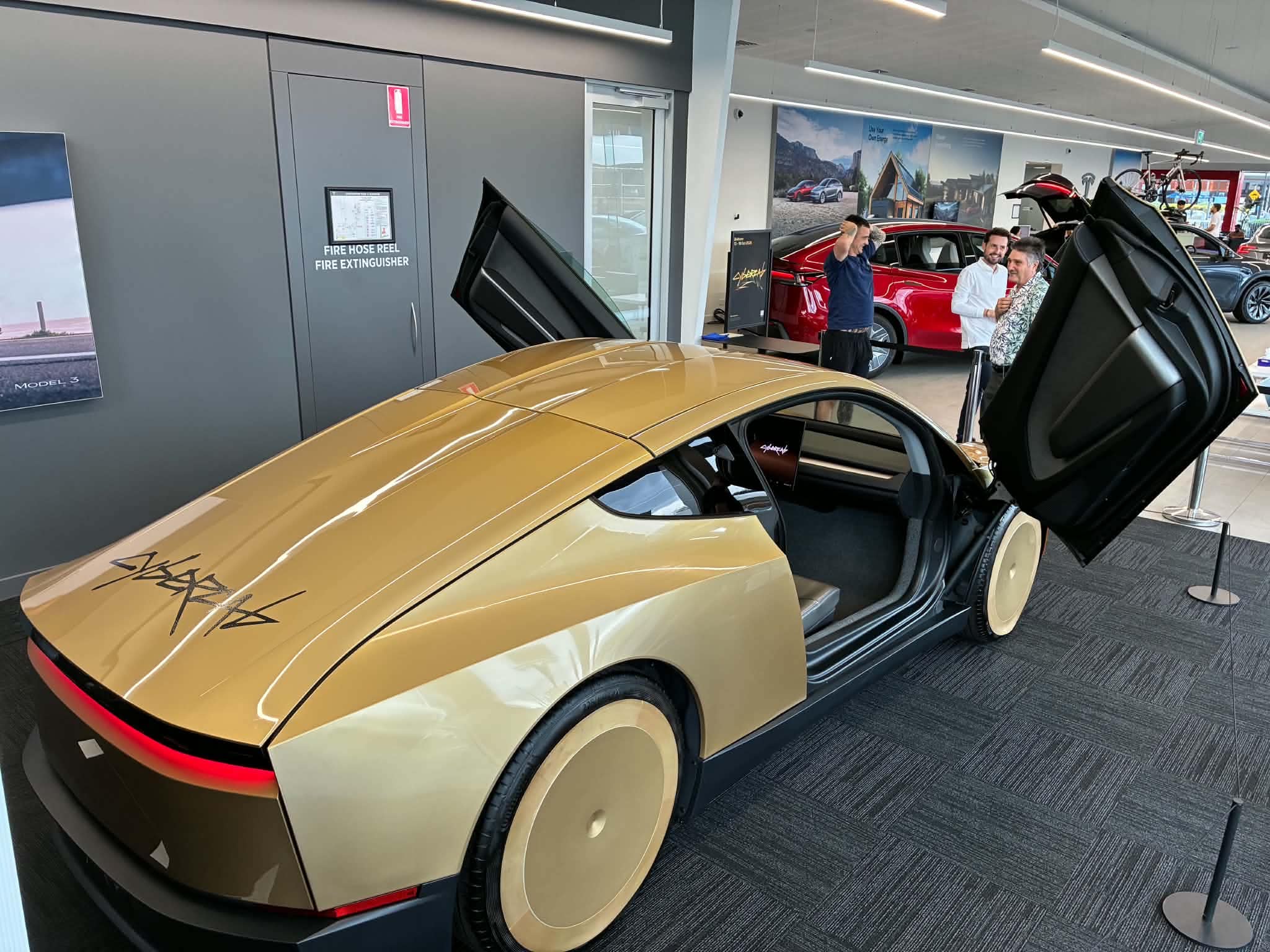
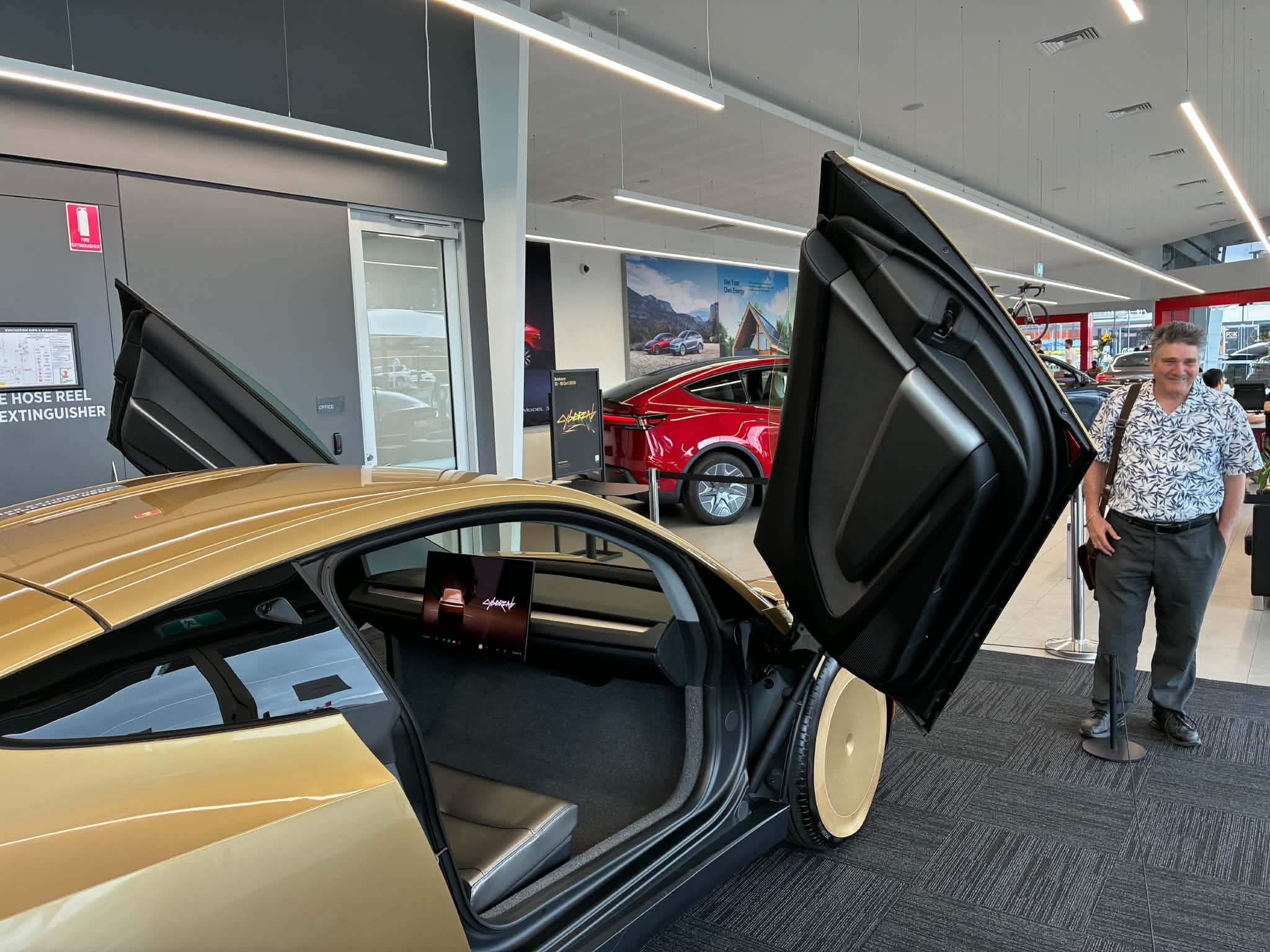
The futuristic vehicle on display was safely cordoned off, allowing visitors to admire its design from behind a barrier rather than sit inside. Featuring a minimalist aesthetic, striking doors, and a complete absence of traditional driving controls like steering wheels and foot pedals, the vehicle certainly looks the part of a next-generation transport machine.
Before visiting the showroom, the Waterworths met for lunch with local electric vehicle owners, including an individual who currently utilizes a Tesla Model Y to drive for Uber. The conversation quickly turned to the broader economic and regulatory implications of autonomous fleets. According to the driver, when Uber first entered the Australian market, the Transport Workers Union (TWU)—acting on behalf of traditional taxi operators—bitterly opposed its introduction. Today, however, a strange political alignment has emerged. Facing the shared threat of pure driverless commercial models, traditional adversaries have effectively joined forces to push back against the rapid encroachment of autonomous vehicles.
Despite the mounting resistance, the local Uber driver remains optimistic about the technology’s trajectory. He estimates that Tesla’s robotaxi network will be operational within the next 12 months, and he plans to integrate his own Model Y into the network to maintain his earning potential. Another local EV enthusiast shared his recent firsthand experience riding in a Model Y robotaxi in Florida, noting a staggering cost difference when compared directly against Alphabet’s Waymo platform. According to his account, the Tesla-based robotaxi ride was significantly cheaper, leading to expectations that autonomous Tesla services could ultimately undercut traditional rideshare and taxi pricing.
Mainstream media and public figures are increasingly turning their attention to the regulatory and infrastructural challenges standing in the way of driverless deployment. Discussions, such as those featured on national podcasts, suggest that clearing the roughly 700 regulatory hurdles required for full deployment could take upwards of 18 months. High-profile political figures have also weighed in; Sydney Premier Chris Minns has publicly stated that he would willingly ride in an autonomous vehicle, describing it as a positive development for Sydney despite lingering safety considerations.
Yet, infrastructure remains a primary concern for local observers. Given the variable condition of many Australian roads, industry watchers expect a cautious rollout. It is widely anticipated that early pioneers like Waymo may pave the way for regulatory frameworks before Tesla’s specific network achieves widespread adoption, setting the stage for a fascinating transitional period in urban transit.
At the center of the pushback is the Transport Workers Union, which represents upwards of 60,000 members and has forged an unexpected partnership with Uber to manage and influence the introduction of autonomous robotaxis. This classic "enemy of my enemy" alliance has brought two former gig-economy rivals to the same table to lobby federal and state lawmakers for stricter, more controlled regulatory rollouts.
The TWU has warned government leadership of a potential political backlash, citing recent polling that indicates roughly 7 out of 10 union members oppose the integration of driverless vehicles on public roads. Naturally, labor representatives emphasize that automated systems do not pay union dues or sustain human livelihoods. In response, the union has actively campaigned for a "just transition," demanding mandatory human safety operators, comprehensive retraining programs, and financial compensation or redundancies for transport workers who risk displacement by artificial intelligence.
The pressure is already being felt across the broader logistics and transport sector. In Melbourne, major logistics company Transurban was recently pressured by the union to suspend scheduled trials of autonomous commercial trucks, with union representatives citing a lack of adequate workforce consultation and unresolved safety concerns.
Nathan Merritt, another Uber driver operating a Tesla Model Y in Australia, shares a pragmatic view of how consumers view the shift. Discussing the transition with his passengers, Merritt notes an even split in public sentiment, with roughly half of customers expressing a willingness to try autonomous vehicles while others indicate they would prefer to pay a premium for a human-driven car.
For those familiar with Tesla’s Full Self-Driving (Supervised) software, the underlying capabilities of the technology are already apparent. With continued improvements in local road data, industry watchers suggest that regulatory approval for vehicles like the Cybercab could arrive just in time for the Brisbane 2032 Olympic Games. Merritt characterizes the union’s aggressive lobbying efforts as a defensive maneuver by traditional labor structures facing inevitable structural shifts.
The roadmap to full autonomy will likely begin with robotaxis featuring human safety drivers to build public trust and establish safety records, eventually transitioning toward a blended fleet of dedicated Cybercabs and user-owned Model Y vehicles. While robotaxis appear to be an inevitable component of future transit, questions remain regarding the production volume and mainstream demand for the two-seater Cybercab. Family and friends evaluating the vehicle often point out its limited passenger capacity, though proponents suggest that larger groups can simply hail a larger Model Y robotaxi instead.
Ultimately, public perception of the Cybercab’s bold design points to a broader acceptance of futuristic aesthetics in personal and public mobility. Whether fleets of these vehicles will eventually normalize the presence of equally unconventional designs like the Cybertruck remains to be seen.
The changing attitude toward transportation is perhaps best highlighted by the next generation. Years ago, when asked what kind of car she wanted to drive when she grew up, a young passenger unhesitatingly replied that she would not own a car at all, preferring simply to summon an Uber via her smartphone. Upon seeing photographs of the Cybercab, her enthusiasm centered not on horsepower or styling, but on the simple fact that it lacked a steering wheel and foot pedals, offering a glimpse into a rapidly approaching future.