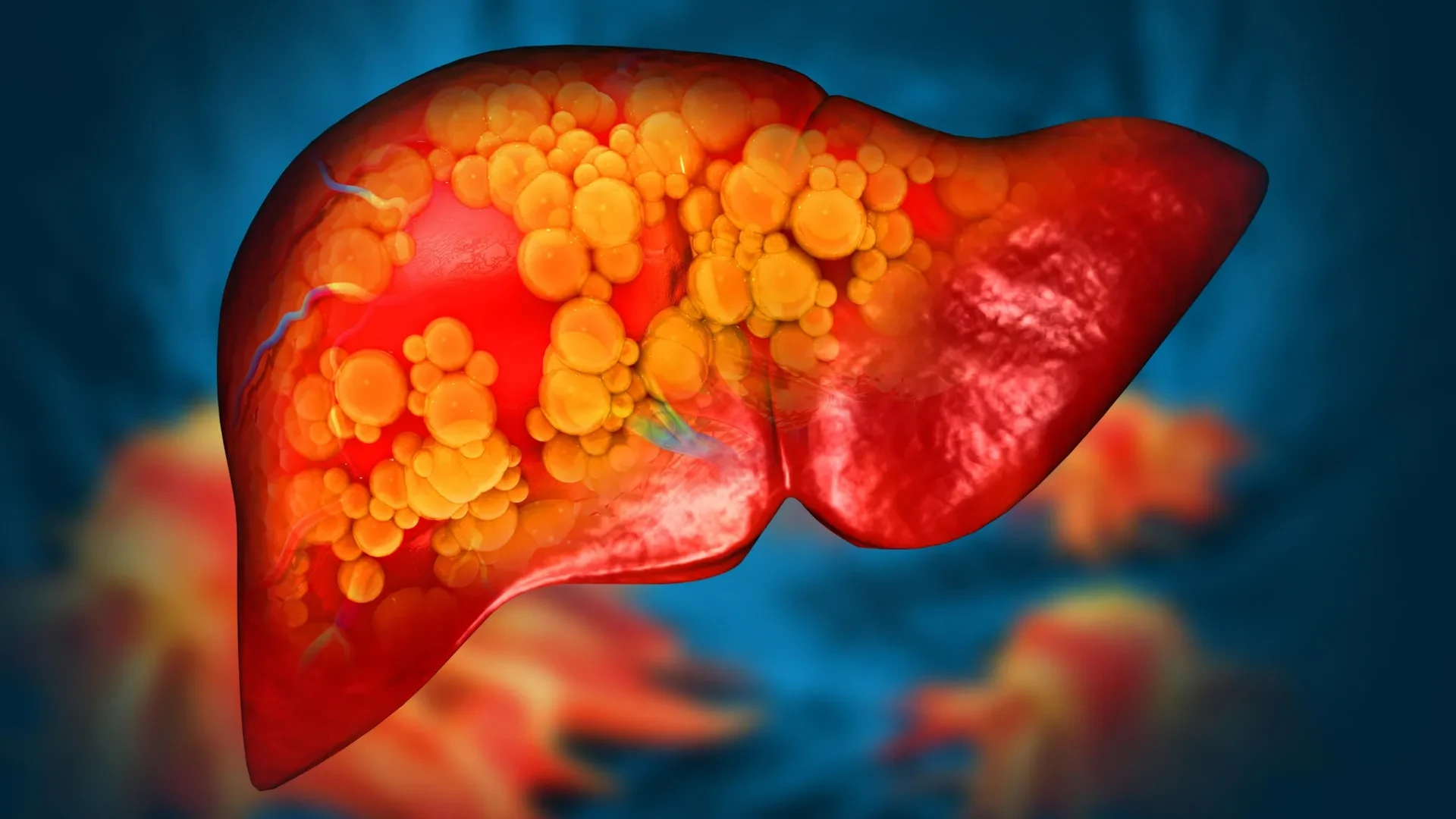
In a significant breakthrough for metabolic medicine, researchers at Michigan Medicine have identified a novel therapeutic strategy that effectively reverses a serious form of fatty liver disease. Rather than focusing exclusively on the liver itself, the experimental drug—a compound designated as DT-109—targets the gastrointestinal tract, demonstrating that the root of systemic liver damage may often reside in the gut.
The findings, recently published in The Journal of Clinical Investigation, suggest that by modulating gut bacteria and reinforcing the intestinal lining, scientists can prevent inflammatory substances from reaching the liver, thereby halting and even reversing the progression of metabolic dysfunction-associated steatohepatitis (MASH). This discovery offers a glimmer of hope for the approximately 7% of the global population affected by this debilitating condition, which has historically proven difficult to manage with existing medical interventions.
Understanding the Burden of MASH
MASH represents a severe, progressive form of non-alcoholic fatty liver disease. It is characterized by the accumulation of excess fat within liver cells, which triggers chronic inflammation and cellular injury. Left unchecked, this inflammatory cascade can lead to extensive scarring, known as cirrhosis, as well as the development of liver cancer and, eventually, total liver failure.
Despite recent advances in hepatology, the therapeutic arsenal for MASH remains alarmingly thin. Many current treatments focus on mitigating the downstream effects of liver damage, but few address the underlying mechanisms that drive the disease from its inception. The research led by Eugene Chen, M.D., Ph.D., senior author of the study and the Frederick G. L. Huetwell Professor of Cardiovascular Medicine at the University of Michigan Medical School, seeks to change that paradigm.
"We see clear evidence that DT-109 protects the gut epithelial barrier, reducing the systemic influx of harmful microbial products that are thought to contribute to MASH development and progression," Dr. Chen explained. "This compound shows clear benefits to the gastrointestinal system and has great potential as a treatment for MASH."
The Gut-Liver Axis: A Hidden Connection
The scientific community has long recognized the existence of the "gut-liver axis," a complex, bidirectional biological relationship between the digestive system and the liver. Because the liver receives blood directly from the intestines via the portal vein, it is uniquely susceptible to substances—both beneficial and harmful—that are absorbed during digestion.
Dr. Chen’s team had previously established that DT-109, a glycine-based tripeptide, could improve MASH symptoms in laboratory animal models. A tripeptide is a short chain of three amino acids, serving as a fundamental building block of proteins. While the initial results were promising, the exact mechanism by which this small molecule conferred protection remained a mystery until this latest series of investigations.
The research revealed that the development of MASH is often tied to an imbalance in the gut microbiome, specifically the overgrowth of Clostridium perfringens. This bacterium produces high levels of ammonia within the intestines. When intestinal ammonia concentrations rise, they compromise the integrity of the gut’s inner lining. Under normal conditions, this epithelial barrier acts as a fortress, preventing harmful toxins, bacterial products, and other pathogens from leaking into the bloodstream.
However, when this barrier is breached, these microbial toxins travel directly to the liver. Once they arrive, they trigger a potent immune response. The researchers observed that this influx of toxins leads to the overactivation of CD8+ T cells. While these immune cells are vital for destroying infected or abnormal cells in the body, their overzealous activation in the context of a leaky gut drives the chronic inflammation characteristic of MASH. By interrupting this chain reaction at the source—the gut—the researchers found they could prevent the liver from ever sustaining that inflammatory insult.
Repairing the Gut to Protect the Liver
Through rigorous experimentation, the researchers demonstrated that DT-109 effectively disrupts this cycle of damage. In both murine models and nonhuman primates, the administration of the compound led to a significant reduction in Clostridium perfringens populations and a subsequent drop in intestinal ammonia production.
The clinical significance of the findings in nonhuman primates cannot be overstated, as their liver biology and gut microbial communities share a much closer resemblance to those of humans than do those of rodents. In these primates, the treatment not only reduced liver inflammation but also lessened the overall severity of MASH.
"DT-109 connects microbiota modulation with liver protection by restoring gut barrier integrity and limiting the systemic translocation of ammonia and other pro-inflammatory microbial products within the gut-liver axis," noted Jifeng Zhang, Ph.D., co-author and research professor of cardiovascular medicine at the U-M Medical School. "We also found that DT-109 primarily acts in the gastrointestinal tract, but its reach stretches much further."
This approach represents a major shift in thinking: by treating the digestive environment, the researchers are effectively performing a "remote" intervention on the liver. This strategy could theoretically address the drivers of inflammation before they cause irreversible organ damage.
Beyond the Liver: Broader Therapeutic Potential
The therapeutic promise of DT-109 may extend far beyond MASH. Given that the drug works by fortifying the intestinal barrier, the research team is optimistic about its potential application for other conditions rooted in metabolic dysfunction and inflammation.
Previous studies have indicated that DT-109 may play a role in cardiovascular health, specifically by inhibiting the formation of atherosclerotic plaques and preventing vascular calcification. Atherosclerosis, the buildup of fatty deposits in artery walls, and vascular calcification, the hardening of blood vessels, are primary drivers of heart disease. Because metabolic disorders are rarely isolated to a single organ, the possibility that one treatment could simultaneously address liver disease and cardiovascular health is particularly exciting for clinicians who treat patients with multiple comorbidities.
Furthermore, the team is exploring whether the drug could prove effective for inflammatory bowel disease (IBD), such as Crohn’s disease and ulcerative colitis. Since these conditions are fundamentally linked to a compromised intestinal barrier, the ability of DT-109 to repair and protect that lining suggests a wide range of future research possibilities.
The Path Toward Clinical Application
While the preclinical results are highly encouraging, the researchers remain measured in their outlook. DT-109 is still an experimental treatment that has yet to undergo the rigors of human clinical trials. Determining whether the drug can safely and effectively replicate these animal-model outcomes in the human body is the essential next step.
"This study presents novel evidence about the pathogenesis of MASH and provides excitement about a therapeutic avenue to explore for a condition that remains difficult to treat," said Elliot Tapper, M.D., Academic Director of Hepatology at Michigan Medicine. "What patients with MASH need is a safe and effective therapy capable of improving their liver and heart health—of course we are excited about these developments."
Future phases of research will focus on advancing the compound through the necessary regulatory and clinical channels to assess its safety profile and therapeutic efficacy in patients. As the medical community continues to grapple with the rising prevalence of metabolic diseases, the potential for a treatment that bridges the gut and the liver offers a promising new frontier in internal medicine.
For the researchers involved, the work serves as a reminder that the most effective way to treat a complex disease may be to look beyond the organ where the symptoms are most visible. By shifting the focus to the gut, they have opened a new door in the treatment of MASH, one that could eventually lead to more holistic and effective patient care.
Funding and Disclosures:
Several authors of the study, including Ying Zhao, Oren Rom, Jifeng Zhang, and Y. Eugene Chen, are listed as inventors on a patent application related to the use of tripeptides in treating metabolic, cardiovascular, and inflammatory disorders. Dr. Chen is an inventor of DT-109. The University of Michigan holds the patent for the compound and has licensed it to Diapin Therapeutics, a company in which both the university and Dr. Chen maintain an ownership interest. Diapin Therapeutics provided the DT-109 used in the study.
All human study protocols and amendments were approved by the Institutional Review Boards at the First Affiliated Hospital of Xi’an Jiaotong University, Jinan University, and the University of Hong Kong/Hospital Authority Hong Kong West Cluster. All animal research was conducted in accordance with the National Institutes of Health Guide for the Care and Use of Laboratory Animals, with approval from the respective institutional animal care and use committees in China.