Pope Leo XIV has issued a defiant and optimistic message regarding his physical recovery, telling reporters accompanying him on his latest international tour that he is in "pretty good health." The pontiff, 71, made the comments while en route to Uruguay, marking his first public remarks on his medical condition since undergoing major surgery to remove a lung tumor just three weeks ago. The journey, which spans 12 days and covers more than 20,000 miles, serves as the sixth international voyage of his papacy and represents a significant test of his resilience following a health scare that threatened to derail his diplomatic agenda.
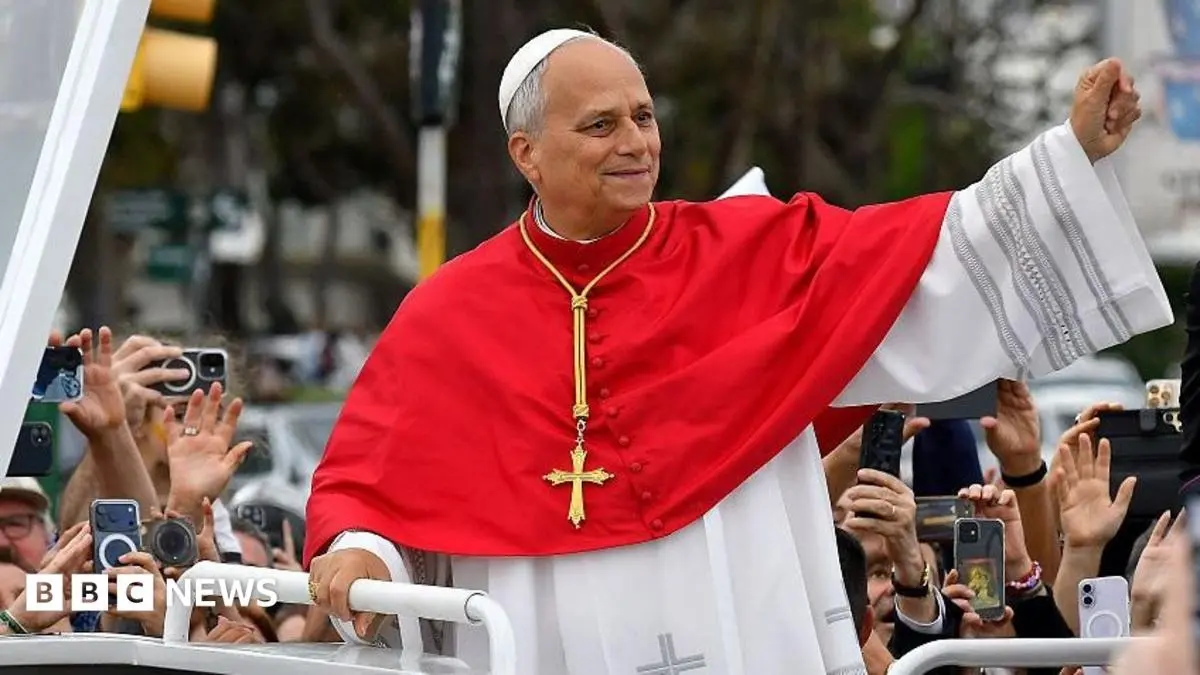
The Pope’s arrival in Montevideo, Uruguay, was met with scenes of jubilation, as throngs of supporters lined the seafront to catch a glimpse of the Popemobile. For many, the sight of the pontiff, seemingly vibrant despite the proximity of his operation, was a source of profound relief. The trip had been shrouded in uncertainty only last month, when routine medical scans revealed the presence of a tumor, leading to immediate surgical intervention. While the sudden diagnosis prompted speculation regarding the feasibility of his travel schedule, the Pope remained steadfast in his commitment to the region.
"I must confess that, from the very first day, I never had any doubts; I was convinced that this journey had to go forward," the Pope told journalists aboard the papal aircraft. He attributed his rapid recovery to the professional care he received at the Vatican, stating, "Thanks to the marvellous medical staff… I believe I am in quite good health." Vatican officials have confirmed that the surgery was entirely successful and that subsequent tests indicate the cancer has not spread, allowing him to proceed with a rigorous itinerary that would be taxing even for a man in perfect health.
The tour, which focuses heavily on the Southern Cone of South America, is seen as a pivotal moment for the Church. After his engagements in Uruguay, the Pope is scheduled to travel to Argentina, followed by a highly anticipated return to Peru. The visit to Peru is being framed by the Vatican as a "homecoming" of sorts; Pope Leo spent a significant portion of his early ecclesiastical career in the country, serving first as a dedicated missionary and later as a bishop. This deep-rooted familiarity with the region is expected to shape the tone of his addresses, as he engages with communities that he has known intimately for decades.
In Montevideo, the Pope wasted no time in addressing pressing social issues. During his inaugural speech of the trip at the Plaza Independencia, he turned his focus toward the global challenge of healthcare equity. Drawing directly from his own recent experience as a patient, he advocated for universal healthcare, insisting that such services should be "accessible to everyone."
The Pope’s rhetoric carried a personal weight as he addressed the thousands gathered in the plaza. He reflected on the privilege he enjoyed in accessing world-class medical treatment, noting that his own recovery had prompted him to think of the "many men and women who lack the means to obtain a timely diagnosis" or the necessary resources to receive life-saving treatment. By centering his first public remarks on the disparity in global health access, the Pope underscored his intention to use this tour to champion the vulnerable and the marginalized. His day in the Uruguayan capital concluded with a prayer service at the Montevideo Cathedral, a moment of spiritual reflection that served as a bookend to his first day of public duties.
The scope of the tour is extensive, reflecting the Pope’s determination to maintain an active, hands-on leadership style. Over the course of 12 days, he will travel more than 20,000 miles, navigating a complex series of diplomatic meetings, pastoral visits, and public masses. This grueling schedule is a clear signal to the faithful and the international community that the Pope intends to remain a visible and engaged presence on the world stage despite his recent illness.
On Sunday, the focus of the international media will shift toward Argentina. The visit to the country is particularly significant, as it is the homeland of his predecessor, Pope Francis. The visit is fraught with historical weight, as Pope Francis notably did not return to his native Argentina during his own tenure, a point of contention and curiosity for many of the nation’s citizens. Pope Leo’s visit is expected to be viewed as an attempt to bridge gaps and offer a new chapter in the relationship between the Vatican and the Argentine people.
Throughout his travels, the Pope has emphasized that the primary purpose of his mission is to provide proximity and support to those looking to the Church for a message of hope. In an era of economic uncertainty and social division, his presence in Latin America is intended to act as a catalyst for unity. He has frequently spoken about the need for the Church to meet people where they are, and this 20,000-mile journey is the physical manifestation of that pastoral philosophy.
The Vatican’s security and medical teams remain vigilant, ensuring that the Pope’s schedule allows for necessary rest as he continues to recover from his surgery. However, the energy displayed by the pontiff thus far suggests a man motivated by a sense of urgency. His insistence that the trip proceed, despite the recommendations of some who might have preferred a more conservative recovery timeline, highlights a deep-seated belief in the necessity of his mission.
As the tour progresses, the global Catholic community will be watching closely, not only for the Pope’s health updates but for the messages he delivers in the various cities he visits. From the bustling streets of Montevideo to the familiar landscapes of his former ministry in Peru, Pope Leo XIV is positioning his papacy as one that is defined by resilience and a commitment to the fundamental human rights he championed on his first day abroad.
The visit to Argentina, in particular, will be a litmus test for his ability to navigate the complex political and social landscape of the region. As he prepares to cross the border, the Pope’s message remains consistent: he is here to be near the people, to share in their struggles, and to offer a message of hope that transcends the individual hardships of the faithful. With the cancer surgery behind him and the medical team reporting positive progress, the Pope appears ready to navigate the challenges of the coming days with the same resolve he displayed when he first learned of his diagnosis. For a leader who has made "being near the people" a cornerstone of his ministry, this tour represents the ultimate realization of that vision, bringing the weight of the Vatican to the communities that need it most.