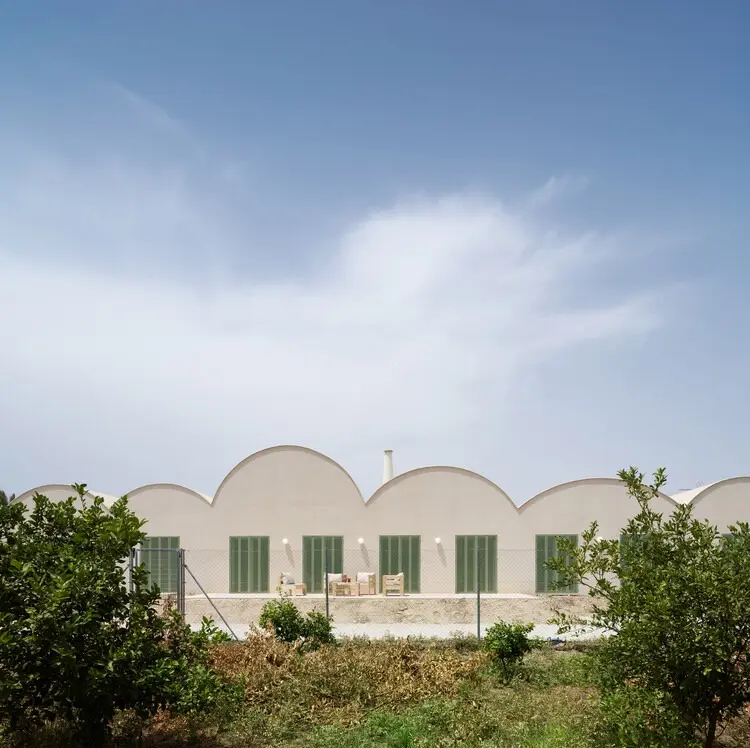
In the realm of contemporary residential architecture, the challenge has rarely been about merely building a shelter; rather, it has increasingly become a pursuit of how to coexist with the natural world without overwhelming it. Addressing this delicate balance, the recently unveiled Casa Vereda—curated by Valentina Díaz and designed by the studio L’Aura Ortín Architecture for Happiness—stands as a compelling testament to a design philosophy rooted in integration, respect for the environment, and a deep appreciation for local memory. Photographed by David Frutos Fotografía de Arquitectura, the project embodies an architectural approach where human habitation and untouched landscapes converge seamlessly.
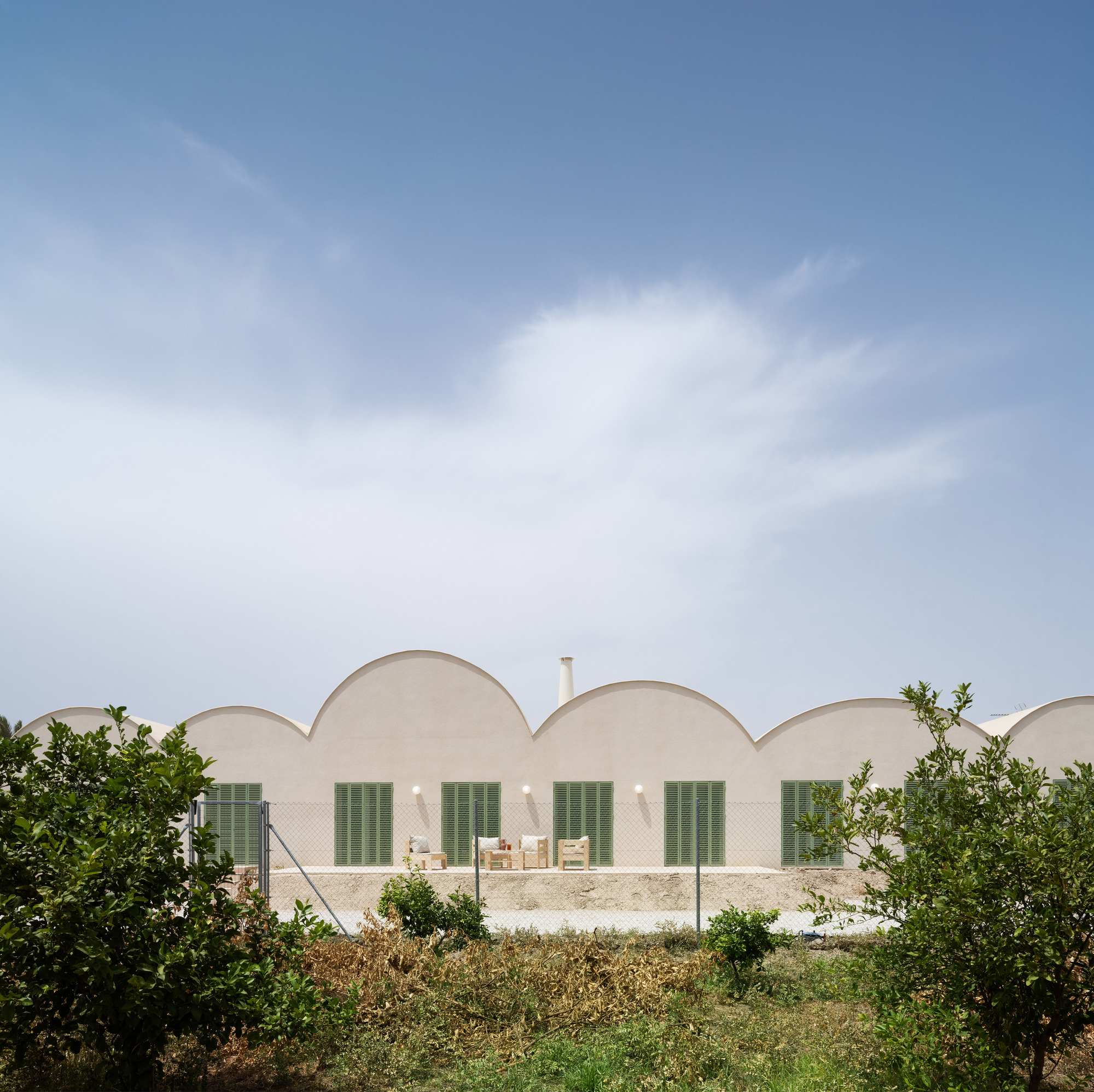
Stemming from a refreshingly straightforward premise, Casa Vereda was conceived with the primary objective of inhabiting nature without competing with it. In a modern era often dominated by imposing structures that seek to conquer or dominate their terrain, this project takes the opposite route. It carefully weaves itself into the existing landscape through an architectural strategy that actively seeks to become an intrinsic part of its surroundings. Instead of standing apart as an alien element, the house utilizes volumes, materials, and textures that engage in a continuous, quiet dialogue with the local vegetation, natural light, and the historical memory of the site. The ultimate result is a dwelling that possesses a rare visual and spatial quality, appearing as though it has always been anchored to the land, quietly echoing the rhythms of the earth.
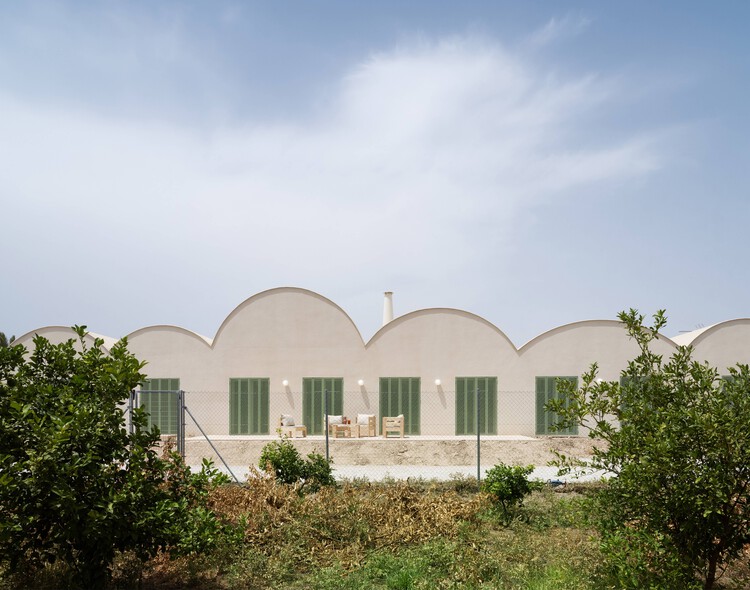
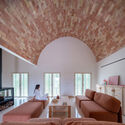
The overarching vision of L’Aura Ortín Architecture for Happiness manifests in every corner of the design, reflecting a broader commitment to creating spaces that foster well-being through spatial harmony. By prioritizing a seamless transition between the indoor experience and the outdoor environment, the architectural layout ensures that nature is never far from sight or feeling. The careful selection of building materials plays a pivotal role in achieving this organic aesthetic. Earthy tones, tactile finishes, and structural elements are chosen not just for their durability or modern appeal, but for their ability to resonate with the surrounding terrain. As natural light shifts throughout the day, the interplay of shadows and illumination across the brickwork, timber elements, and structural beams creates a dynamic, living interior that mirrors the changing environment outside.
Exterior photography captured by David Frutos highlights how the volumes of Casa Vereda are thoughtfully massed to respect the topography of the plot. Rather than forcing the landscape to conform to a rigid geometric blueprint, the architecture yields to the contours of the site. This sensitive placement preserves the integrity of the native vegetation and allows the structure to breathe within its ecosystem. The relationship between the built environment and the open air is further emphasized by transitional zones that blur the boundaries between indoor living spaces and the surrounding greenery. Inside, the design language remains grounded and warm, utilizing exposed structural elements and natural textures to cultivate an atmosphere of comfort and tranquility.
The unveiling of Casa Vereda adds a notable contribution to the ongoing discourse on sustainable and context-aware residential design. By demonstrating that modern comfort and environmental stewardship can coexist without compromise, the project offers a blueprint for future architectural endeavors seeking a harmonious relationship with nature. As architectural practices continue to navigate the complexities of building within sensitive landscapes, works like Casa Vereda remind the design community of the profound impact that thoughtful, restrained, and empathetic architecture can have on both the environment and the human experience.