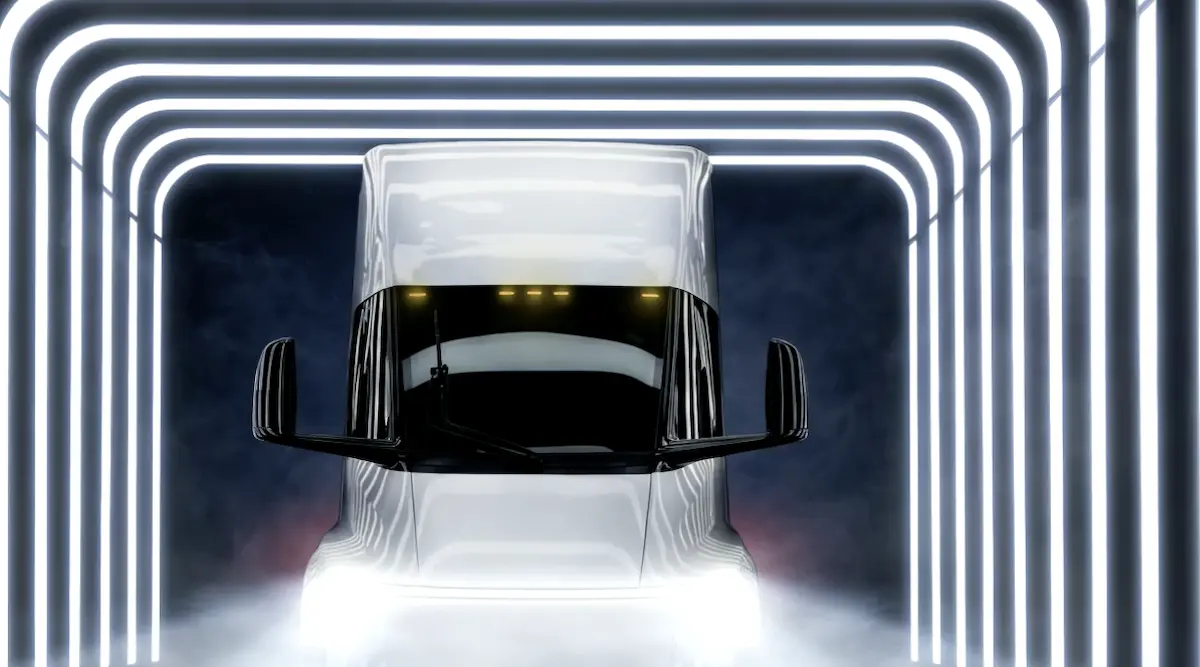
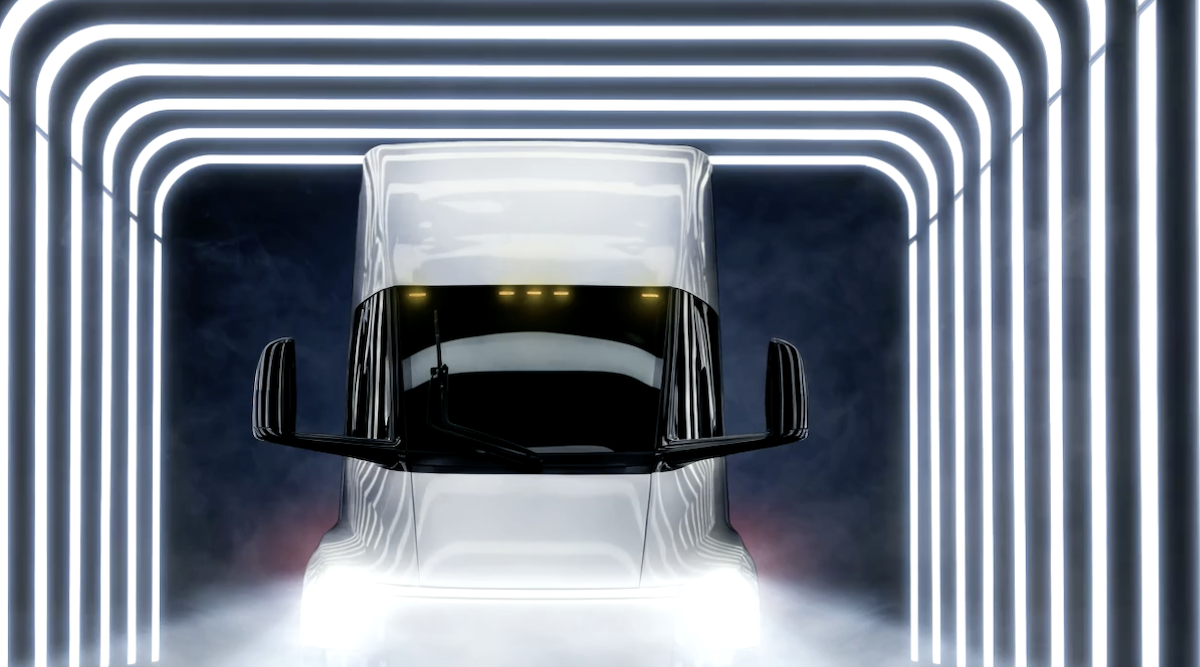
The Tesla Semi Class 8 electric truck is rapidly shaping up to be another major commercial triumph for the automaker, demonstrating strong market potential and reinforcing the company’s foothold in the heavy-duty commercial vehicle sector. However, despite the significance of the milestone, Tesla CEO Elon Musk notably failed to appear in person at last week’s official launch event for the dedicated Semi manufacturing facility in Nevada, instead addressing attendees via a pre-recorded video broadcast.
The new Class 8 truck has already shown clear signs of becoming a top seller and a significant achievement for the company. Given the high stakes of Tesla’s ongoing corporate mission to accelerate global vehicle electrification, industry observers and stakeholders were left wondering why the chief executive chose to skip such a critical operational milestone. While preparation for a high-profile White House state dinner honoring Chinese President Xi Jinping offers a plausible partial explanation, a deeper look reveals a complex convergence of political entanglements, legal challenges, and corporate controversies surrounding the billionaire entrepreneur.
Where In The World Is Elon Musk?
The Washington event in question was a lavish gathering that highlighted the intersection of high-level government diplomacy and corporate influence. The guest list featured prominent figures from across corporate America, including General Motors President and CEO Mary Barra. Yet, notable distinctions emerged regarding the capacity in which these leaders attended. According to reports from the Detroit News, Mary Barra was invited in her formal leadership capacity representing General Motors, whereas Elon Musk secured his invitation through the ranks of his aerospace venture, SpaceX, rather than his electric vehicle flagship, Tesla.
The omission of the Tesla brand from the diplomatic spotlight comes at a time when federal energy policy dynamics are shifting, potentially complicating corporate positioning. Furthermore, while the Tesla brand maintains robust popularity among consumers both domestically and internationally, the timing of the factory launch coincided uncomfortably with mounting legal battles. A long-simmering racial discrimination lawsuit involving Tesla’s flagship assembly plant in Fremont, California, returned to the forefront as legal proceedings advanced toward trial.
According to reports from Reuters, a state agency lawsuit brought by the California Civil Rights Department accuses Tesla of permitting rampant racial discrimination at the Fremont facility. This action represents just one facet of a broader legal challenge facing the electric vehicle manufacturer. The company is concurrently confronting a separate lawsuit filed by the U.S. Equal Employment Opportunity Commission alleging systematic racial harassment, alongside dozens of individual lawsuits filed by former and current workers making similar claims. Against this backdrop of heightened scrutiny, keeping corporate branding separate from certain political and public appearances may reflect a deliberate strategy of risk management.
Things Happen In Threes
In the realm of public relations, major events often unfold in clusters, and last week brought a confluence of high-profile headlines concerning the Tesla chief executive. A second major factor contributing to the public curiosity surrounding Musk’s remote appearance at the Nevada facility was an intense wave of publicity generated by Musk, a new documentary film directed by award-winning filmmaker Alex Gibney and produced by Jigsaw Productions.
The project drew substantial media attention following reports that Musk’s legal representatives had threatened legal action against the production company. This development sparked public discussion regarding freedom of expression, particularly given the executive’s frequent self-identification as a proponent of absolute free speech.
Simultaneously, the media landscape buzzed with reports that several major social media and technology platforms initially declined to run paid advertisements promoting the documentary. Outlets such as the Daily Beast highlighted the hurdles faced by the film’s U.S. distributor, Bleecker Street, with headlines drawing attention to what was characterized as the extraordinary reach and influence of the tech mogul. Platforms initially reported to have restricted the promotional material included YouTube, TikTok, Instagram, Meta, and X, the platform formerly known as Twitter.
However, the situation evolved rapidly as digital platforms adjusted their automated content moderation systems. By the end of the week, reports from outlets such as TheWrap confirmed that major distributors had reversed their initial stances following media inquiries. A spokesperson for Meta stated that the restriction of the advertisements was the result of an administrative error and that the promotional content would be restored. Meanwhile, YouTube representatives clarified that while the documentary trailer had always remained accessible organically on its platform, promotional ad placements had faced temporary system-level restrictions. Despite these initial friction points, the promotional trailer remained accessible to the public across major digital channels, sustaining public interest in the documentary project.
Elon Musk Is Here, There, And Everywhere
For industry watchers, Musk’s absence from the Nevada Semi factory launch marked the second major corporate unveiling he has skipped in recent weeks. Earlier in the month, the Tesla CEO also declined to make an in-person appearance at the heavily promoted launch event for the Tesla Cybercab driverless robotaxi in Austin, Texas.
Despite his physical absence from these corporate celebrations, Musk’s presence has been strongly felt across the American political landscape during the current election cycle. While the executive has largely avoided making direct, in-person appearances at campaign rallies—a cautious approach following aggressive political spending in previous judicial and state-level elections that occasionally triggered voter pushback—his financial footprint in national politics has expanded significantly.
Through his political action committee, America PAC, Musk has channeled substantial financial resources into supporting Republican candidates ahead of the congressional midterm elections. According to reporting from the Detroit News, America PAC directed tens of millions of dollars toward boosting conservative candidates in competitive U.S. Senate contests across critical battleground states, including Ohio, Michigan, Iowa, and Maine. Additional millions were allocated to support candidates across dozens of highly contested U.S. House districts as the Republican party works to maintain its legislative majorities in Washington. Major investments were also directed toward high-stakes state races, reflecting a coordinated strategy to influence legislative outcomes nationwide.
From high-stakes diplomatic dinners and complex federal policy shifts to high-profile employment litigation, documentary controversies, and multi-million-dollar political expenditures, the reasons behind a remote video appearance at a major manufacturing milestone become multifaceted. Whether these concurrent developments fully explain why the Tesla chief executive phoned in his opening remarks remains a subject of ongoing discussion among industry analysts, investors, and observers alike.